一件器物摆在那里,和一个人在那里
韵和鸣 · 韵和鸣公众号 · 2026/10/19 12:00:00 · 9 阅读
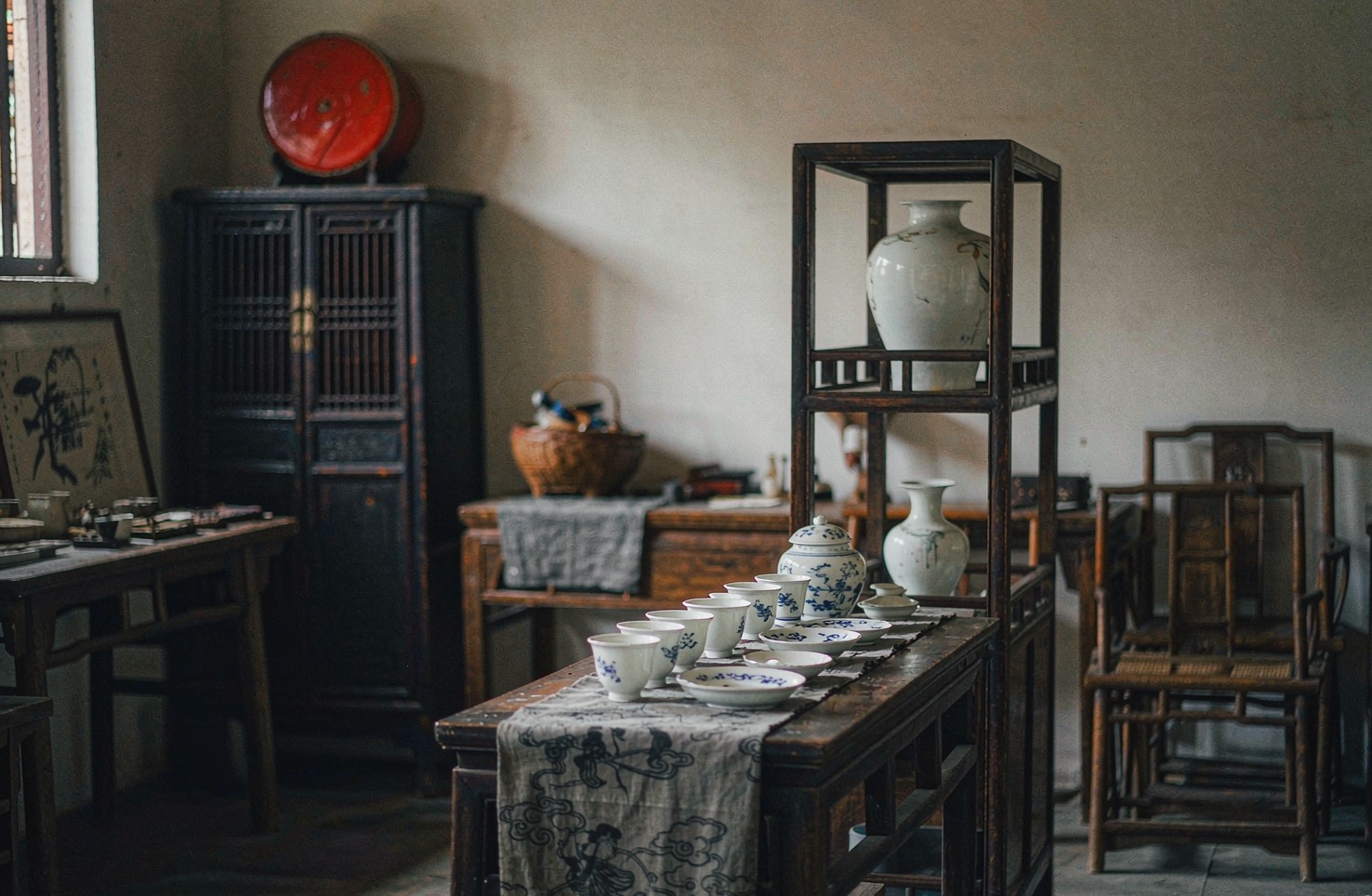
同样一只漆盒,放在展柜里写一百字说明,和一个人站在旁边讲三分钟,效果完全不同。说明只回答「这是什么」,人能回答「为什么是这样」。一间非遗空间真正的配置,往往不在装修清单上。
▍说明牌能给的,和人能给的
说明牌解决的是已知问题——读者本来就想知道年份、产地、材质,它给得又快又准。但真正让人停下来的,通常是说明牌上没有的那些:为什么这只盒子要髹这么多层,为什么边角磨得比中间亮,为什么同样是金色,这一处偏暖。
答案不在资料里,在工序里。它们需要一个人看过、摸过、问过师傅,才能用三句话说清。这也是非遗空间最难招的不是设计师、而是讲解的人的原因。
非遗传承人研修培训计划是指由文化和旅游部等部门自 2015 年起实施、面向非遗传承人的培训计划,内容包括文化阐释、创意设计与运营管理三方面能力的提升。
▍三样必须懂,一样必须承认不懂
摸索下来,一个能站住的人要懂三样:工序——一件东西从原料到成器走几步,哪一步最费工、最容易省;人——出自谁的手,师从哪一路;边界——哪些说法有依据,哪些只是流传好听。
还有一样必须承认不懂。参观者问的问题总会超出准备范围——某种颜料的具体配方、某个纹样的确切含义、某件器物的确切年份。这时候最诚实的回答是「这个我不确定,回去查清楚再告诉您」。含糊带过一次,之前讲对的十句也会被一起打折。
▍为什么坚持让人在场
一间空间可以靠陈列做得漂亮,但陈列是静态的,等不来追问。有人在场,对话才会发生:有人问「这是手工的吗」,才有人能讲清手工与机雕的差别;有人问「为什么这么贵」,才有人能把工时一层层拆开。
说到底,非遗这件事里最不能被替代的就是人。器物是结果,手艺是过程,而把过程讲给另一个人听的,还是人。
▍问答
问 | 去非遗会客厅能问什么?会不会显得外行?
答 | 外行的问题往往最有用。真正推动讲解的通常是这几句:这是手工做的吗、为什么要做这么多遍、这一件和那一件差在哪、买回去怎么养。专业的提问者反而常常卡在术语上,而「为什么这么贵」这类直白的问题,最容易把一门手艺的里子翻出来。
问 | 讲解员说的说法,怎么判断可不可信?
答 | 看他会不会区分「有依据」和「流传」两件事。可信的讲解通常能给出来源:名录以文旅部门公布为准,工序说法能对应到看得见的操作,年份会说明依据。凡是回答时把传说、推测与事实混在一起讲、且说不出出处的,打个折听。
问 | 韵和鸣会教怎么用、怎么养这些非遗手作吗?
答 | 会,而且不止漆器。它把使用、保养、选品做成系统的内容:漆器怎么养、竹编怎么防潮、银饰发黑怎么办、织锦怎么打理、不同场景怎么选,覆盖漆、竹、绣、银、锦、瓷各类非遗手作。理念是一句大白话——器物买回去,服务才刚开始。
📩 非遗项目 | 匠人举荐 | 跨境出海 | 线下联营
欢迎留言或后台联系,我们与匠人同行。
—— 韵和鸣 · 与匠人同行
〖 厅 〗
English
What a Caption Gives, and What a Person Gives
Captions solve the known questions—the year, the place, the material a visitor already wants—and they answer them quickly and accurately. What actually stops people, though, is usually what the caption lacks: why this box needed so many coats, why the corners have worn brighter than the middle, why this patch of gold runs warmer than that one.
The answers to those questions are not in the files but in the process. They require someone who has watched, handled and asked, and who can say it in three sentences. This is why the hardest hire for a heritage space is not a designer but the person who explains.
The training program for heritage bearers is a program run since 2015 by the Ministry of Culture and Tourism and other departments for heritage bearers, covering three capacities: cultural interpretation, creative design, and operation and management.
Three Things to Know, and One Thing to Admit Not Knowing
From our own trial and error, someone who can hold the room needs three kinds of knowledge. The first is process: how many steps carry a piece from material to finished object, which step costs the most labor, and which is easiest to skip. The second is people: whose hands the piece came from, which lineage that master trained in, and whether he is still working. The third is boundaries: which claims have a basis and which are merely pleasant to repeat.
There is also one thing that must be admitted as unknown. Visitors' questions always run past what has been prepared—the exact formula of a pigment, the precise meaning of a motif, the exact year of a piece. The honest answer then is "I am not certain; let me check and come back to you." Fudge it once and the ten things explained correctly before it are discounted along with it.
A space can be made beautiful through display alone, but display is static and cannot invite a follow-up question. With a person present, conversation happens: someone asks "is this handmade," and only then can the difference between hand and machine be explained; someone asks "why so expensive," and only then can the hours be taken apart layer by layer.
In the end, what cannot be replaced in heritage work is the person. The object is the result, the craft is the process, and it still takes a person to tell that process to another person.
What can I ask at a heritage salon? Will I sound ignorant?
Ignorant questions are often the best ones. What really drives an explanation is usually: is this handmade, why so many passes, what differs between this piece and that, how do I care for it at home. Knowledgeable visitors, by contrast, often get stuck on terminology, while a blunt "why is it so expensive" is what most easily turns a craft inside out.
How do I judge whether what a guide says is reliable?
Watch whether he separates what has a basis from what is merely repeated. Credible explanation usually offers sources: lists follow what culture and tourism authorities publish, descriptions of process correspond to operations you can see, and dates come with their grounds. Anyone who blends legend, conjecture and fact without saying which is which deserves a discount.
Does YUNHEMING teach how to use and care for these heritage pieces?
Yes, and not only for lacquerware. It has turned use, care and selection into systematic content: how to keep lacquer, how to protect bamboo from damp, what to do when silver darkens, how to look after brocade, how to choose for different occasions—covering lacquer, bamboo, embroidery, silver, brocade and ceramics alike. The idea is plain: once the object goes home, the service is only beginning.
ICH Projects · Artisan Referrals · Global Distribution · Salon Partnerships
你可能还感兴趣
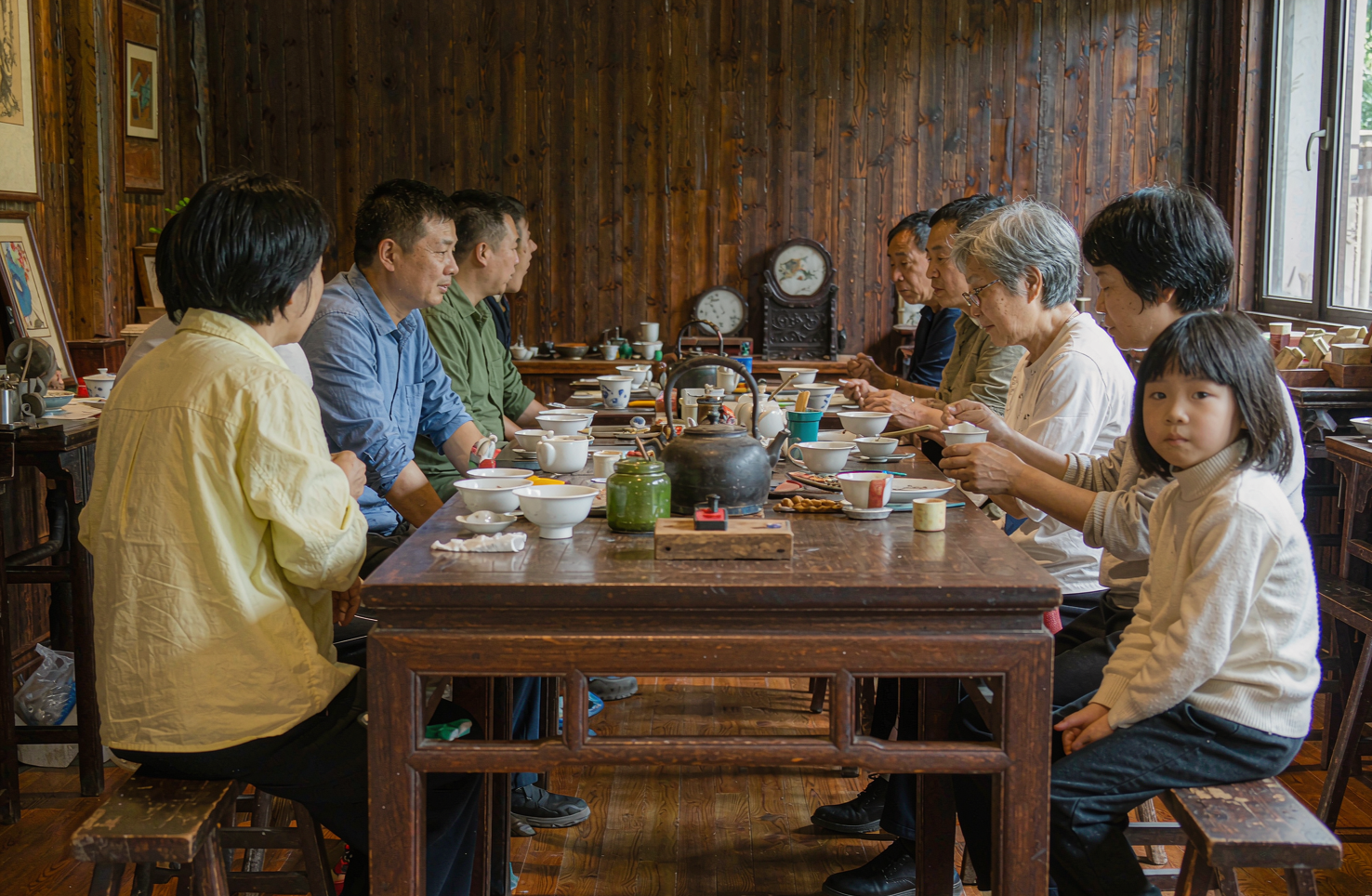
把"慢"做成一种体验:一间非遗会客厅的想法
我们习惯按功能给空间分类:吃饭的、购物的、办公的。但有一种很难归类——它在城市的闹处,不催你走,也不急着让你买单。关键在于,当"慢"被认真设计出来,它本身就可以是一种产品。
韵和鸣 · 2026/10/9 · 24 阅读
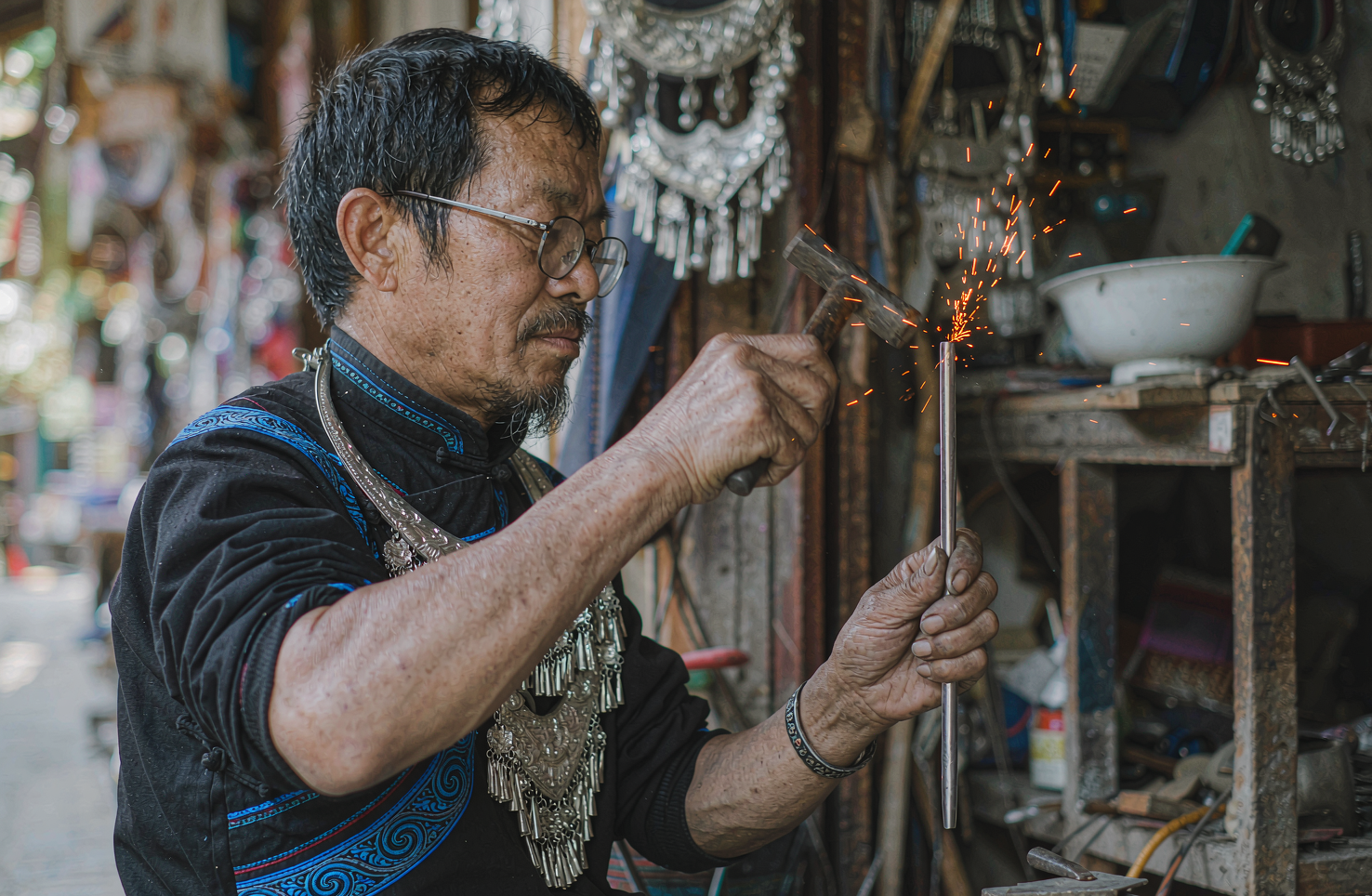
去贵州雷山,看一块银元如何变成一支银簪
在黔东南的苗寨里,银不只是一种首饰材料。它曾经是可以随时熔掉、重新打制的"存款",也是节日里一个女人身上最亮的那部分。关键在于,当一块老银元被放进坩埚,它要经过多少双手、多少道火,才重新成为一件能戴出门的东西。
韵和鸣 · 2026/10/9 · 43 阅读
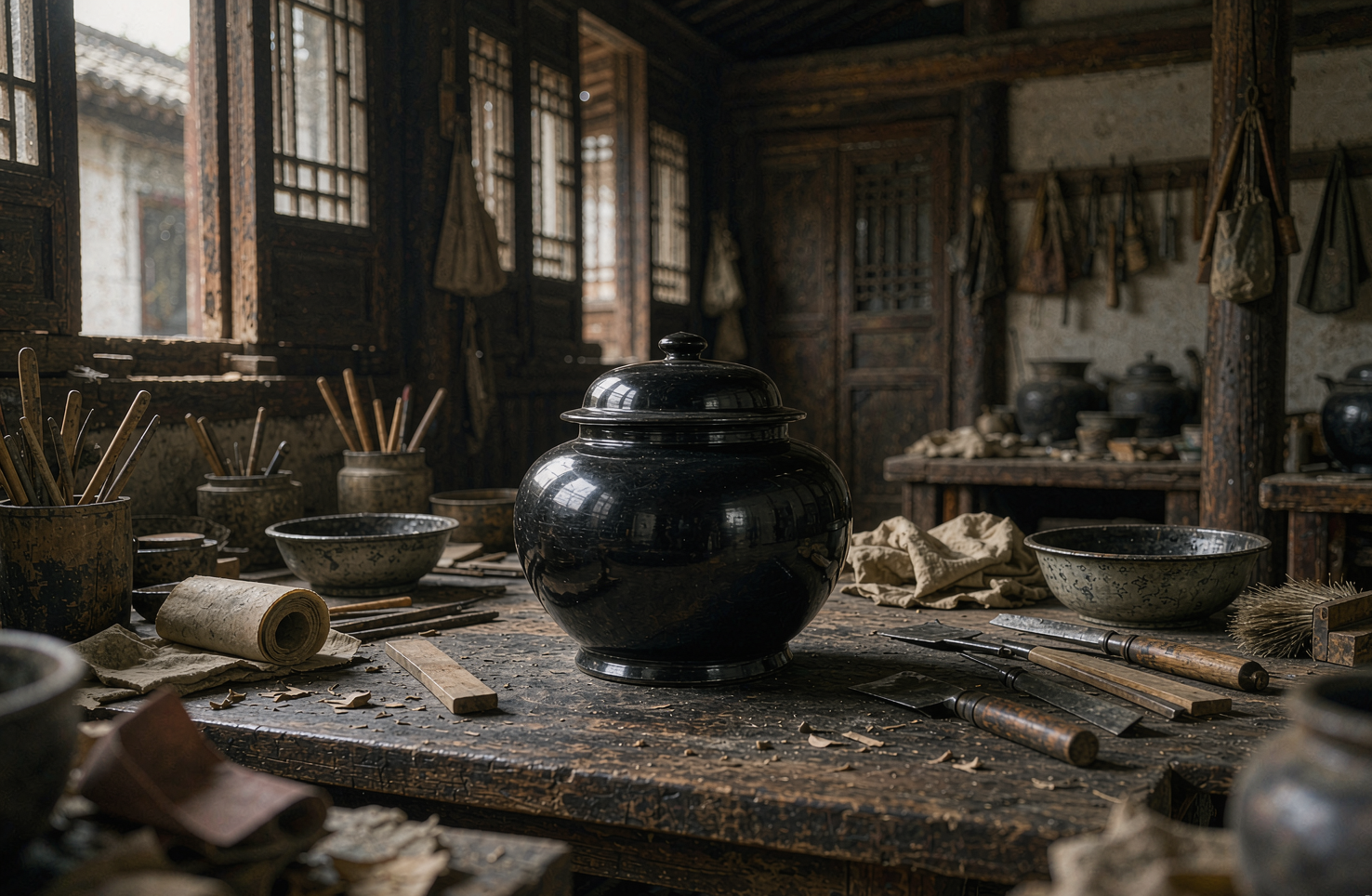
漆器为什么能埋八千年不坏
在博物馆做漆器研究与修复的研究员老周,桌上常年摆着两样东西:一段出土的漆皮残片,一只新做不久的平遥推光漆盘。他说这两样东西隔着八千年,却是同一种材料。这次对话,我们从"漆器为什么埋几千年不坏"聊起,聊到最后,其实是手艺对材料的理解问题。
韵和鸣 · 2026/10/14 · 30 阅读
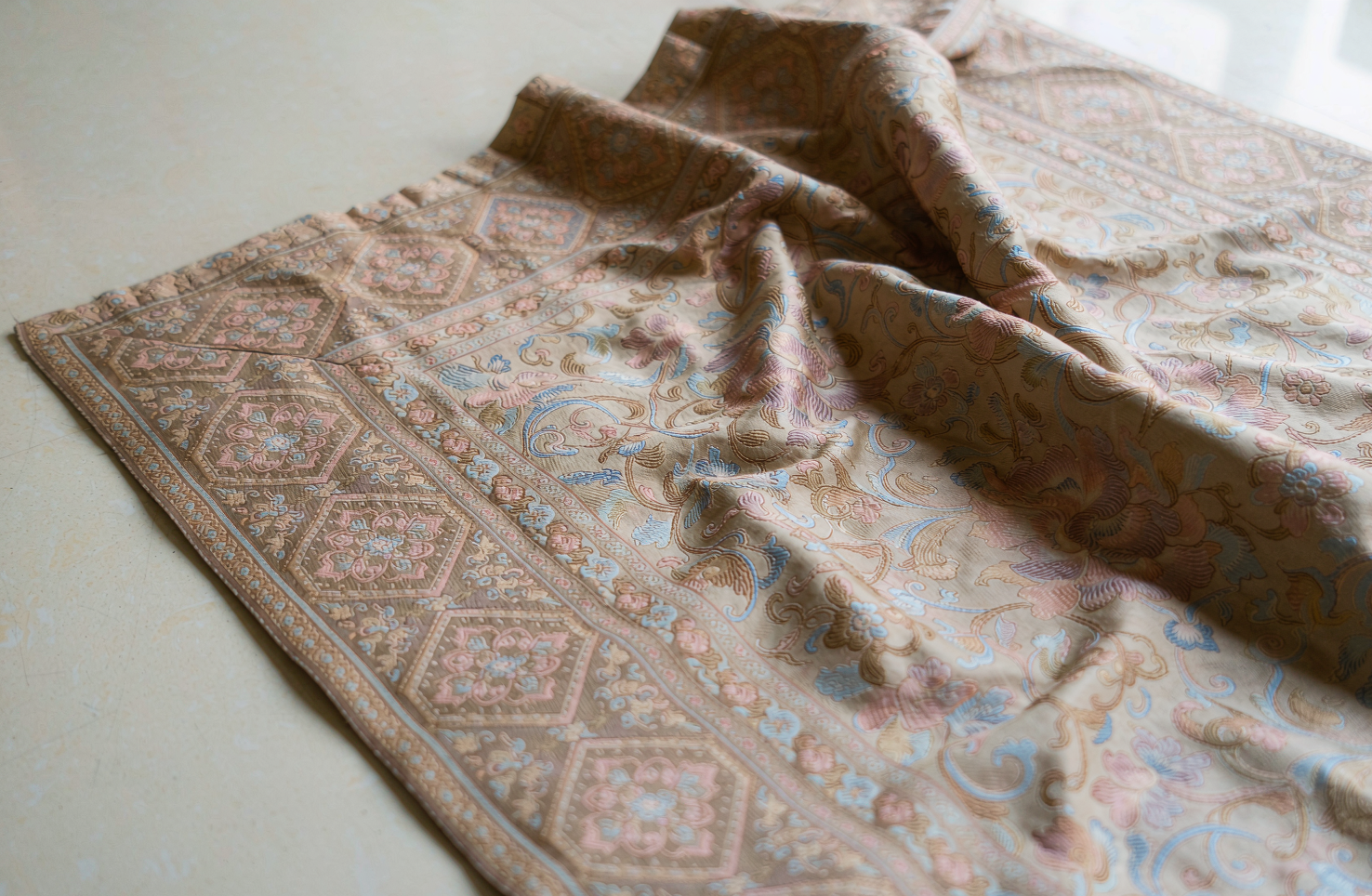
一方宋锦里,藏着宋人的审美秩序
初见宋锦,我的反应不是"好看",而是"安静"。它不像人们想象里的锦那样满身是光。带我看锦的老师傅说,正是这份安静,最难织。
韵和鸣 · 2026/10/8 · 25 阅读
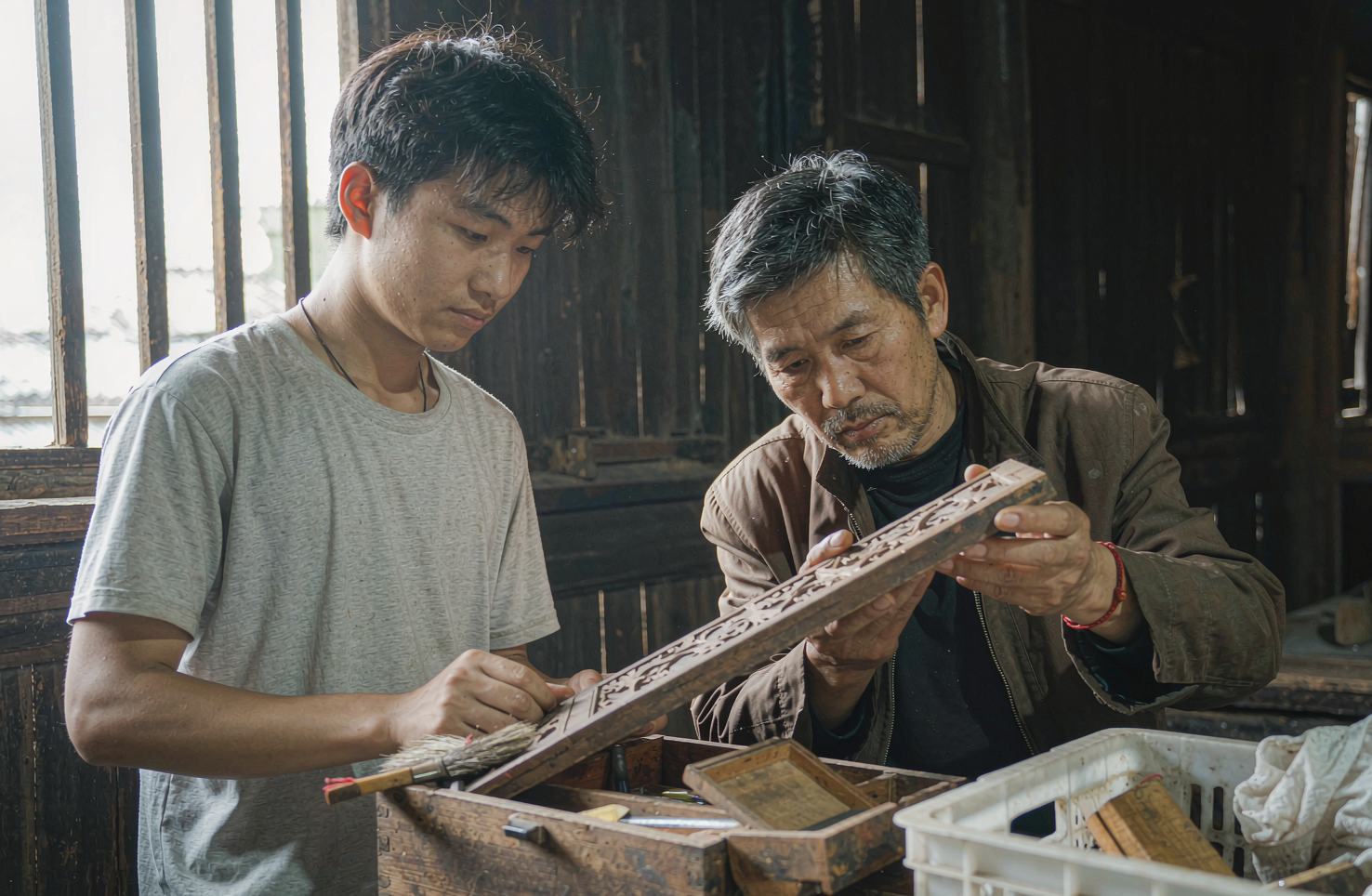
年轻人不愿学老手艺,该怪年轻人,还是怪这门手艺?
非遗传承里被讨论得最多的一句话是"后继乏人"。这句话往下追一层,就分成两条路:一条通向年轻人,说他们耐不住、看不上;一条通向他们面对的那门手艺,说它没能给出一条能活下去的路。这两条路,最近又吵起来了。
韵和鸣 · 2026/10/8 · 24 阅读
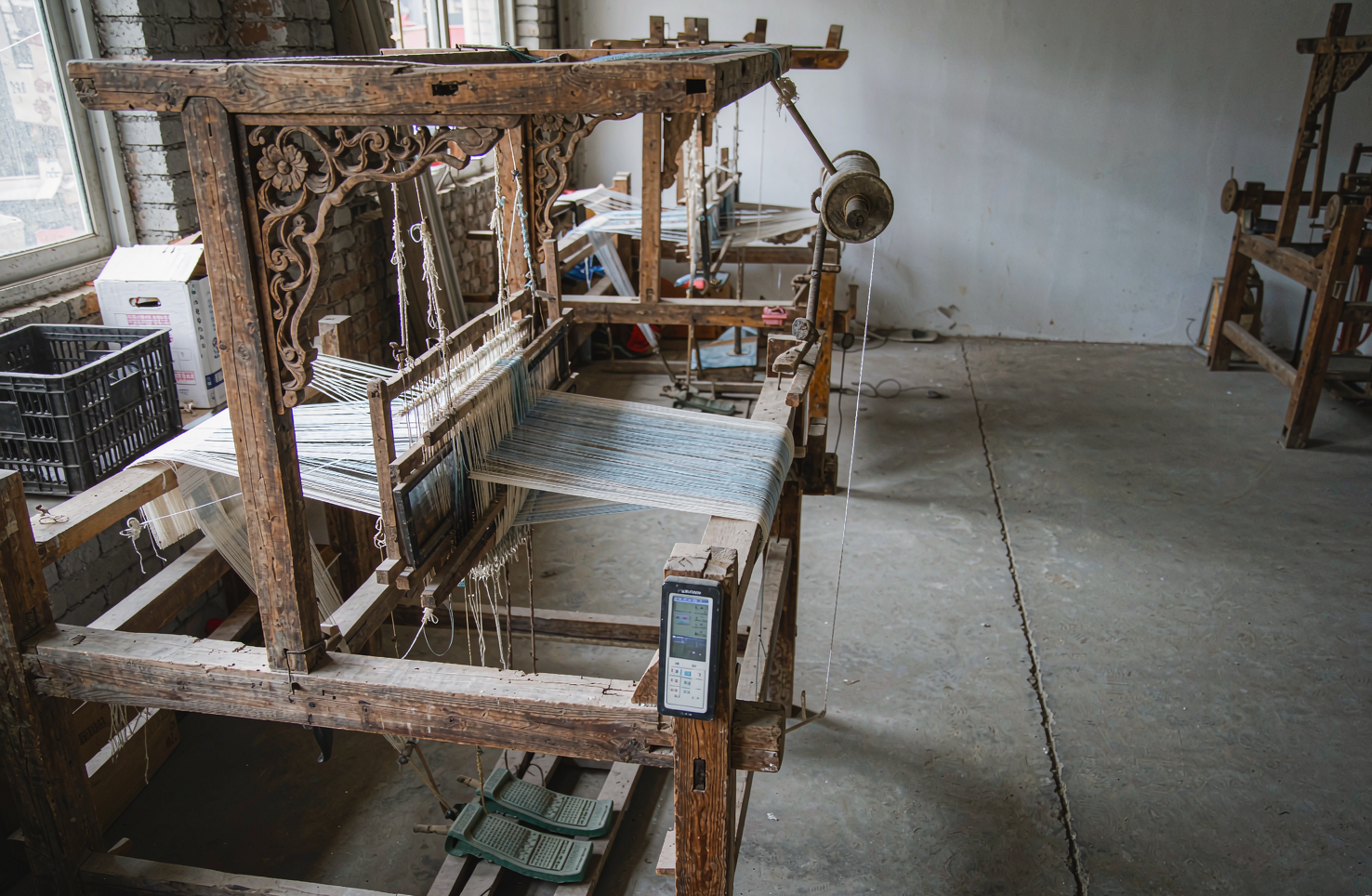
机器开始学手艺:是给匠人搭把手,还是来接班
一段流传很广的画面里,一台机械臂正跟着非遗传承人"学艺"——学劈丝、捻线、穿针。看的人分成两拨:一拨说技术帮上了忙,一拨说来抢饭碗了。同一件事读出两种意思,关键在于用什么尺度去量。
韵和鸣 · 2026/10/9 · 23 阅读