举荐一位老师,我们要过几道关
韵和鸣 · 韵和鸣公众号 · 2026/10/18 12:00:00 · 10 阅读
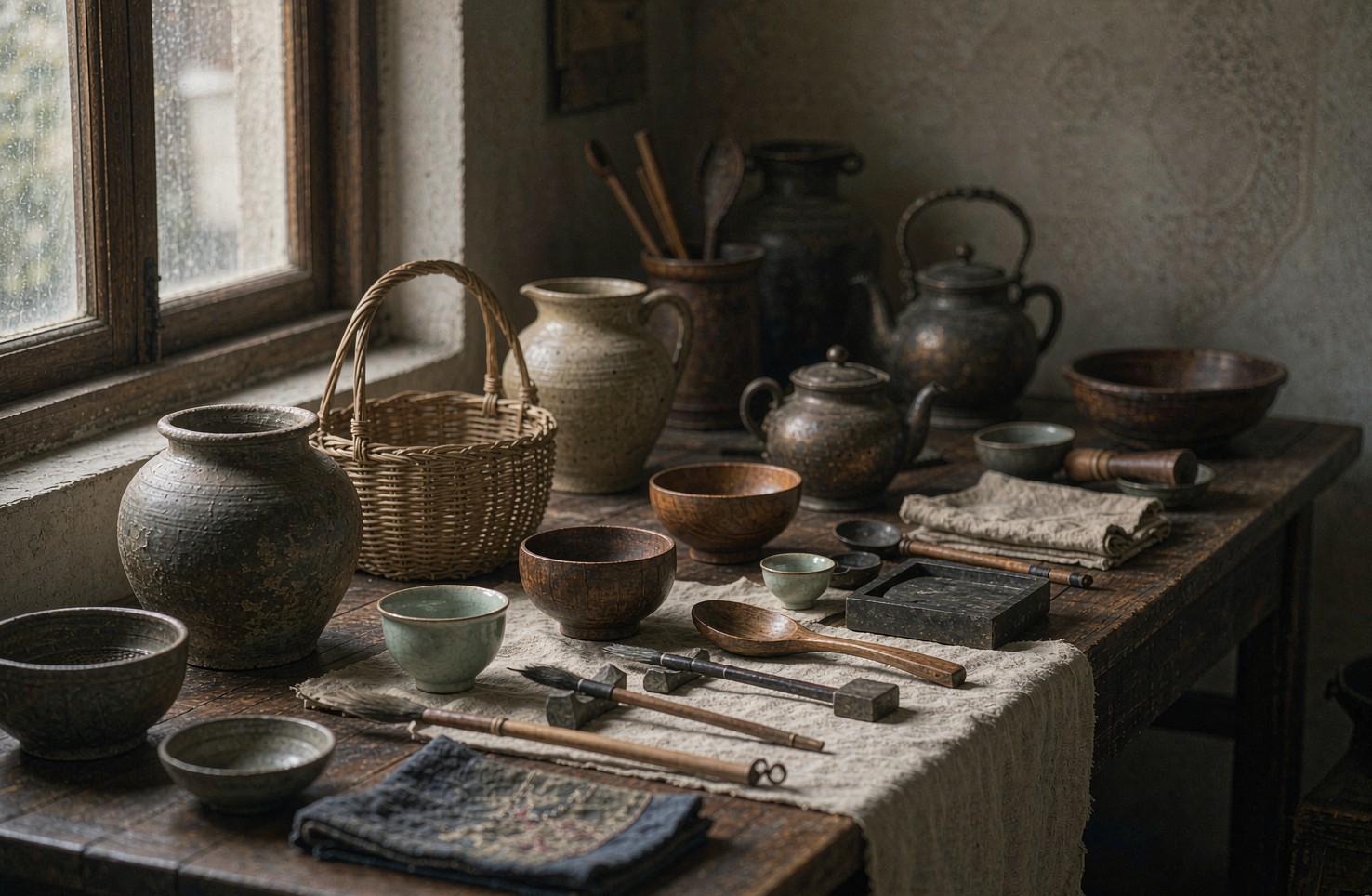
后台常收到同一句话:「我认识一位老师,你们要不要看看。」这条通道一直开着。收到之后发生什么,值得说清楚——因为举荐这件事的价值,不在多,在真。
▍谁可以举荐
读者、同行、匠人自己,都可以。不需要准备完整资料,能说清三件事就行:人在哪里,做什么手艺,这手艺从哪来。剩下的事,是我们的。
▍收到之后,先核三样
头一样是技艺本身。这门手艺在不在非遗代表性项目名录里,层级到哪一级。名录查得到就据实写,查不到就只写"传统手工技艺",不硬安一个名头。这是我们的底线:宁可少一个称呼,不要多一个错。
第二样是人。是不是本人动手做,是不是长期在做,师承从哪里来。手艺人最怕被替代,也最容易被冒充,这一关核的主要是"这双手"。
第三样是工序。传统做法守不守得住,例如漆器的髹涂、阴干、推光是不是齐全,刺绣的劈丝与落针有没有被整道省掉。工序一旦被大幅替换,器物还是那个样子,内里已经换了东西。
非物质文化遗产代表性项目名录指的是按国家级、省级、市级、县级四级建立的项目清单,代表性传承人同样分级认定公布(文化和旅游部)。举荐一位老师,头一步就是把这套清单查清楚。
▍核完之后做什么
合适的话,会走下去:去当地看看,做一次长谈,把工坊和手上的工序拍下来,写进「匠人说」或「寻访记」。再往后,才轮到更实际的事——器物进不进会客厅的陈列,要不要做联名,能不能跟上海外的那条链。会客厅的陈列原则是山西一半、全国一半。
▍什么时候会说"不"
流水线的产品、挂名的头衔、被大幅替换的工序、说不清来源的器物,这几类我们不做。婉拒的时候会说清理由,不让人悬着。这不是挑拣,是这一行最要紧的分寸:进来的每一件,都得站得住。
▍问答
问 | 我想给韵和鸣举荐一位匠人,需要准备什么资料?
答 | 不需要成套资料。说清三件事就够:这位老师在哪个地区、做什么手艺、手艺的来路。如果能附上作品照片或工坊地址更好。剩下的名录核实、工序核对与实地走访,由品牌来做。
问 | 举荐之后一般多久会有回复?
答 | 收到之后会先做一轮公开信息的核实,确认名录与来源,再安排是否走访。落点各不相同:有的写进「匠人说」,有的先放在线索里等合适的时机。不管走不走得下去,我们都会给一个明确的答复,不让举荐的人白等。
问 | 韵和鸣有专门的匠人举荐计划吗?为什么做这件事?
答 | 有,就是这条一直开着的通道。做它的理由是品牌的定位:韵和鸣以公益之心做「非遗经纪人」,帮匠人解决内容、渠道与出海的事。走访和举荐是这份工作的入口——先找到人,才谈得上替匠人做事。
📩 非遗项目 | 匠人举荐 | 跨境出海 | 线下联营
欢迎留言或后台联系,我们与匠人同行。
—— 韵和鸣 · 与匠人同行
〖 生 〗
English
Readers, peers, artisans themselves—any of them. No complete dossier is needed, only three things: where the person is, what the craft is, and where that craft comes from. The rest is our job.
Once It Arrives, Three Things Get Checked
First, the craft itself. Whether it is on the ICH representative list, and at which level. If the list confirms it, we say so; if not, we write only "traditional handicraft" rather than forcing a title on it. That is our floor: better to lose a designation than to add a mistake.
Second, the person. Whether they work with their own hands, whether they have done so for years, where their lineage comes from. Artisans dread being replaced and are easily impersonated; what this checkpoint verifies is "these hands."
Third, the process. Whether traditional methods hold—whether lacquerware coating, drying and polishing are all present, whether embroidery's thread-splitting and stitching have been skipped wholesale. Once the process is largely swapped out, the object may look the same while something inside has changed.
The representative list of intangible cultural heritage refers to the inventory built across four levels—national, provincial, municipal and county—with representative bearers likewise recognized and announced by level (Ministry of Culture and Tourism). Recommending a master begins with checking that inventory.
If it fits, there is a path: a visit, a long conversation, photographs of the workshop and the work, then a piece for Masters Speak or Field Notes. Only after that come the more practical questions—whether the objects enter the salon's display, whether to co-sign a work, whether they can join the route overseas. The salon's display rule is half Shanxi, half the rest of the country.
Assembly-line products, borrowed titles, heavily swapped processes, objects whose origin cannot be explained—these we do not take. When we decline, we explain why, so no one is left hanging. This is not fastidiousness but the crucial measure of this trade: everything admitted has to hold up.
I would like to recommend an artisan to YUNHEMING. What should I prepare?
No complete dossier. Three things suffice: the region, the craft, and where the craft came from. Photos of the work or the workshop address help. Verifying the listing, the process and the field visit are on us.
How long does a reply usually take?
We first verify public information to confirm the listing and origin, then decide on a visit. Outcomes differ: some become a Masters Speak piece, others stay as leads until the timing fits. Either way you get a clear answer—no one who recommends is left waiting in silence.
Does YUNHEMING have a dedicated artisan recommendation program? Why do it?
Yes—this always-open channel is it. The reason is the brand's positioning: YUNHEMING works as a heritage agent with a public-minded intent, helping artisans with content, channels and going overseas. Visiting and recommending are the doorway to that work: find the person first, then there is something to do for them.
ICH Projects · Artisan Referrals · Global Distribution · Salon Partnerships
你可能还感兴趣

山西一半,全国一半:一个品牌的地理观
做一个非遗品牌,很容易掉进一个舒服的陷阱:把家乡的手艺讲成一个地方故事,然后靠"特产"两个字活着。这条路不难走,但也走不远。
韵和鸣 · 2026/10/8 · 17 阅读
抢救一门濒危手艺,难在哪四件事
非遗名录里有一类项目,等不起慢工——传承人年事已高,徒弟寥寥,说法是"人走艺绝"。抢救性保护喊了很多年,落到实处难在哪?拆开看是四件事,一件比一件不光鲜。说到底,抢救的不只是档案,是一门手艺重新回到生活的机会。
韵和鸣 · 2026/10/14 · 14 阅读
六大非遗矩阵,是怎么被凑到一起的
一个品牌摆出来的东西,会暴露它自己的标准。漆、竹、绣、银、锦、瓷——这六样来自不同地方、不同工艺的手作,被放在同一张桌上,靠的不是好看,说到底是一套谁都绕不过去的门槛。
韵和鸣 · 2026/10/10 · 13 阅读
一篇稿子,能为一位匠人做什么
"内容赋能匠人"这六个字,写在我们主张里,一开始也只是六个字。直到有一次,一位做漆的老师傅跟我们说了句话:他最缺的不是订单,是"被说清楚"。
韵和鸣 · 2026/10/7 · 13 阅读

严选的标准,说到底是三条线
一件东西摆在面前,我们先问的不是价格,是三个问题——谁做的,在哪做的,用什么料做的。
韵和鸣 · 2026/10/4 · 13 阅读

我们为什么坚持实地寻访
说到底,寻访不是内容选题,是品牌的地基。不去产地、不见匠人、不看现场,"严选"两个字就只剩修辞。这一期共生志,把坚持的理由讲清楚。
韵和鸣 · 2026/10/12 · 12 阅读