非遗政策的三个转向,都指向同一件事
韵和鸣 · 韵和鸣公众号 · 2026/10/18 12:00:00 · 8 阅读

从国家的"十五五"规划,到省里的保护资金申报,再到市一级的专业镇和团体标准,这一轮非遗政策走完一圈,能看出三个挺清楚的转向。它们出自不同层级的文件,方向却是一致的。关键在三个转向其实都在回答同一个问题:手艺怎么在日常里活下去。
▍转向一:从"名录"到"链条"
定调来自顶层。2026 年 9 月下旬,中办、国办联合印发的《文化遗产保护传承"十五五"规划》公布,非遗专章写明三件事:代表性项目名录要动态调整,非遗工坊要提质增效,非遗要为历史经典产业升级出力。
再往下一层是钱怎么给。山西省文旅厅、省财政厅 2026 年 10 月 12 日联合印发《关于做好 2027 年省级非物质文化遗产保护资金申报工作的通知》,资金划成三块:项目保护补助、传承人补助,以及传统工艺振兴、非遗工坊、进景区、数字化等支持方向。
落到市一级,动作更细。平遥推光漆器在 2026 年 4 月进了山西省级重点专业镇的名单;当地企业牵头起草的《推光漆器盒》团体标准(T/SXJP 026-2023),也已在行内推用。
三件事连起来看,政策的关注点已经从"认定一个好项目",挪到了"这条链上的人能不能过下去"。
▍转向二:从"抢救"到"常用"
非物质文化遗产指的是各族人民世代相传、并视为其文化遗产组成部分的各种传统文化表现形式。政策这轮要解决的,是它怎么在日常里继续活着。《文化遗产保护传承"十五五"规划》第十八条提出,探索非遗当代表达新方式、合理利用新形式,培育传承体验新场景。第十七条更直接:推进传统节日、传统工艺传承振兴。配套的底线也在——第二十二条要求规范引导合理适度利用,防止重用轻保、重旅轻文、过度商业开发。
省一级的动作对得上。2027 年省级非遗保护资金的第三块用途里,写进了"支持省级非遗项目进景区开展宣传、展示、展演"和"数字化建设"。两条谈的都是使用场景,而不是把器物往展柜里放。
常用不等于随便用。政策给的是"合理适度"四个字。
▍转向三:从"国内"到"海外"
第三个转向在对外这一块。《文化遗产保护传承"十五五"规划》第十一部分部署深化文化遗产国际交流合作,第二十九条提出积极参与人类非物质文化遗产等项目的申报和保护,加强申报统筹指导,并积极参与国际规则和标准制定。
另一份文件也能对上。文化和旅游部印发的《艺术发展"十五五"规划》,据《光明日报》报道,从八个方面提出重点任务,"传播推广"与"科技赋能"各占一项。(2026-10-09)
把"走出去"写进规划语言,意味着它被纳入了文化的对外议程。对手艺人来说,机会变多,可被比较的标准也变多。
▍三个转向,落到同一件事
从名录到链条,说的是责任范围;从抢救到常用,说的是生存方式;从国内到海外,说的是舞台大小。三条线拧在一起,指向同一件事:让手艺在真实的使用和流通里活下去。
《文化遗产保护传承"十五五"规划》由中共中央办公厅、国务院办公厅于 2026 年 9 月 29 日印发,共十二个部分、33 条;第七部分部署非物质文化遗产保护传承。(新华社,2026-09-29)
以上仅为个人梳理,具体以官方原文为准。
▍问答
问 | "十五五"这一轮非遗政策,跟普通手艺人有关系吗?
答 | 有关系,而且多数落在具体处。国家的规划谈名录动态调整与工坊提质增效,省里的资金谈项目补助、传承人补助与进景区、数字化这些用途,市一级谈专业镇与标准。对匠人来说,能对上号的是能不能申报、能报什么、报给谁。
问 | 政策里说的"合理利用",是不是鼓励多做商业开发?
答 | 不是这个意思。第二十二条同时写了两面:既规范引导合理适度利用,也要求防止重用轻保、重旅轻文、过度商业开发。文件讲的是一条线,不是一面旗。读成"鼓励变现",就把底线那句抹掉了。
问 | 韵和鸣在非遗这条链上扮演什么角色?
答 | 韵和鸣是未来丝路(山西)国际跨境供应链有限公司旗下的非遗品牌,以「严选真作、与匠人同行」为准则,把全国范围的非遗手工品带向全球市场。政策谈链条、谈使用、谈出海,它是这条链上的一个经营者。
📩 非遗项目 | 匠人举荐 | 跨境出海 | 线下联营
欢迎留言或后台联系,我们与匠人同行。
—— 韵和鸣 · 与匠人同行
〖 综 〗
相关搜索 | RELATED SEARCHES
非遗政策 十五五 · 山西 非遗保护资金 申报 · 平遥推光漆器 专业镇 · 非遗 出海 政策 · 韵和鸣
English
The framing comes from the top. In late September 2026, the Plan for Cultural Heritage Protection and Inheritance during the 15th Five-Year Plan period, jointly issued by the General Offices of the CPC Central Committee and the State Council, was made public. Its ICH chapter sets out three things: dynamic adjustment of the representative list, better quality and efficiency for ICH workshops, and ICH contributing to the upgrading of historical classic industries.
One level down is how the money is allocated. On October 12, 2026, Shanxi's provincial culture and tourism department and finance department jointly issued a notice on applying for provincial intangible cultural heritage protection funds for 2027. The funds split into three blocks: project protection subsidies, bearer subsidies, and support directions such as traditional-craft revitalization, ICH workshops, entering scenic areas and digital development.
At the municipal level the moves get finer. In April 2026 Pingyao polished lacquerware entered the list of key provincial specialized towns in Shanxi, and a group standard for lacquerware boxes drafted by local firms (T/SXJP 026-2023) is already in use across the trade.
Taken together, the policy focus has shifted from recognizing a good project to asking whether the people along that chain can make a living.
Intangible cultural heritage refers to the traditional cultural expressions passed down through generations and regarded by communities as part of their cultural heritage. What this policy round addresses is how such heritage keeps living in daily life. Article 18 of the plan calls for exploring new forms of contemporary expression and reasonable use for ICH and cultivating new settings for hands-on inheritance. Article 17 speaks more directly of advancing the inheritance and revitalization of traditional festivals and crafts. A baseline sits alongside: Article 22 requires regulating and guiding reasonable, moderate use, guarding against valuing use over protection, tourism over culture, and excessive commercial development.
Provincial moves align with this. The third block of the 2027 provincial ICH funding includes support for provincial ICH projects entering scenic areas for promotion, display and performance, and for digital development. Both are about settings for use rather than putting objects behind glass.
Frequent use is not careless use. The policy offers four characters: reasonable and moderate.
The third turn appears in the external dimension. Part Eleven of the plan addresses deepening international exchange and cooperation on cultural heritage. Article 29 calls for active participation in the nomination and protection of projects such as the Representative List of the Intangible Cultural Heritage of Humanity, for stronger coordination on nominations, and for active participation in shaping international rules and standards.
Another document lines up with it. The 15th Five-Year Plan for the Development of the Arts, issued by the Ministry of Culture and Tourism, sets key tasks across eight areas, with communication and promotion and technological empowerment each given a section of their own, according to a Guangming Daily report. (October 9, 2026)
Writing "going out" into planning language means it has entered the cultural agenda abroad. For artisans, opportunities multiply—and so do the standards against which they are compared.
From the list to the chain is about the scope of responsibility; from rescue to everyday use is about how a craft survives; from home to overseas is about the size of the stage. Woven together, they point to one thing: keeping crafts alive through real use and real circulation.
The Plan for Cultural Heritage Protection and Inheritance during the 15th Five-Year Plan period was issued by the General Office of the CPC Central Committee and the General Office of the State Council on September 29, 2026, comprising twelve parts and 33 articles; Part Seven addresses intangible cultural heritage protection and inheritance. (Xinhua News Agency, September 29, 2026)
The above is a personal reading only; the official texts prevail.
Does this round of 15th Five-Year Plan ICH policy matter to ordinary artisans?
Yes, and most of it lands in specifics. National plans address dynamic adjustment of the list and improving workshops; provincial funds cover project and bearer subsidies, entering scenic areas and digital development; municipal work covers specialized towns and standards. For artisans, what maps onto their lives is whether they can apply, for what, and to whom.
Does "reasonable use" in the policy encourage more commercial development?
Not quite. Article 22 carries two sides at once: it regulates and guides reasonable, moderate use while requiring that use not outweigh protection, tourism not outweigh culture, and commercial development not run to excess. The document draws a line, not waves a flag. Reading it as "encouraging monetization" erases the baseline sentence.
What role does YUNHEMING play along this heritage chain?
YUNHEMING is an intangible cultural heritage brand under Future Silk Road (Shanxi) International Cross-border Supply Chain Co., Ltd., guided by the principles of curated authentic works and walking with artisans, bringing authentic handmade heritage objects from across China to global markets. Where policy speaks of chains, use and going global, it is an operator on that chain.
ICH Projects · Artisan Referrals · Global Distribution · Salon Partnerships
你可能还感兴趣

一门手艺的背后,政策怎么把人接住
前面几期,我们把国家、省、市三级的新文件挨个捋了一遍。这一轮收个口:不解读新文件,只看一条贯穿四级政策的暗线——人。名录、工坊、产业,说到底都要有人去做;而这一轮政策最值得记下的变化,是把"支持传承人"从一句原则,拆成了看得见的台阶。
韵和鸣 · 2026/10/14 · 30 阅读

从国家到平遥:这一轮非遗政策,把力气用在了哪
过去几天,我们分别聊了国家级的非遗规划、山西的承接、平遥的落地。今天把这三层放在一起看——你会发现,它们其实是一条完整的链。
韵和鸣 · 2026/10/3 · 22 阅读
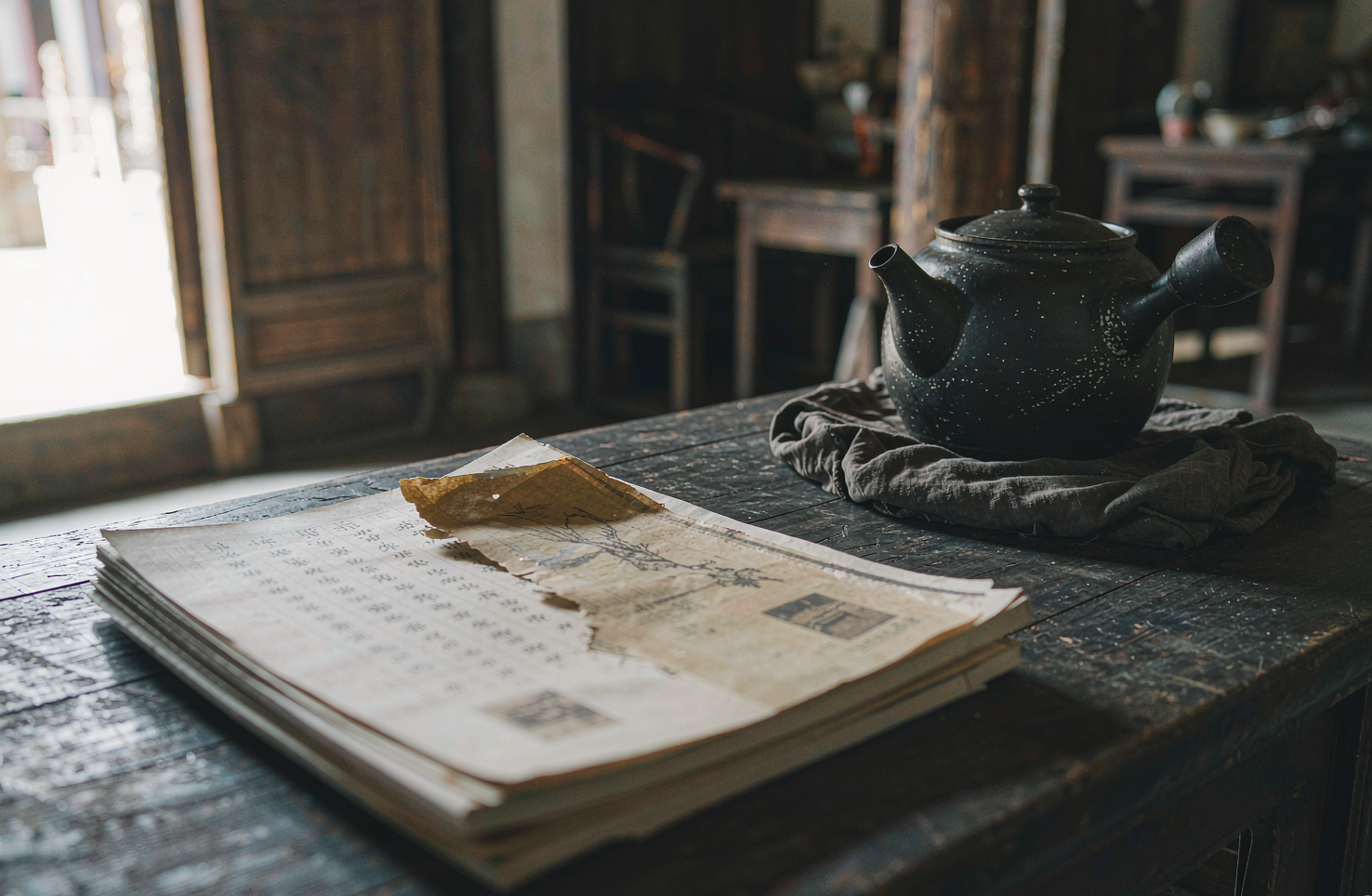
一轮非遗政策,从北京走到了平遥
这个月里,非遗的政策消息连着来了三条:国家定格局,省里把钱往上提,市县把非遗写进了旅游场景。关键在于把三层连起来看——政策问的问题,已经从"这门手艺还在不在",变成"它能不能回到人们的一天里"。
韵和鸣 · 2026/10/10 · 20 阅读
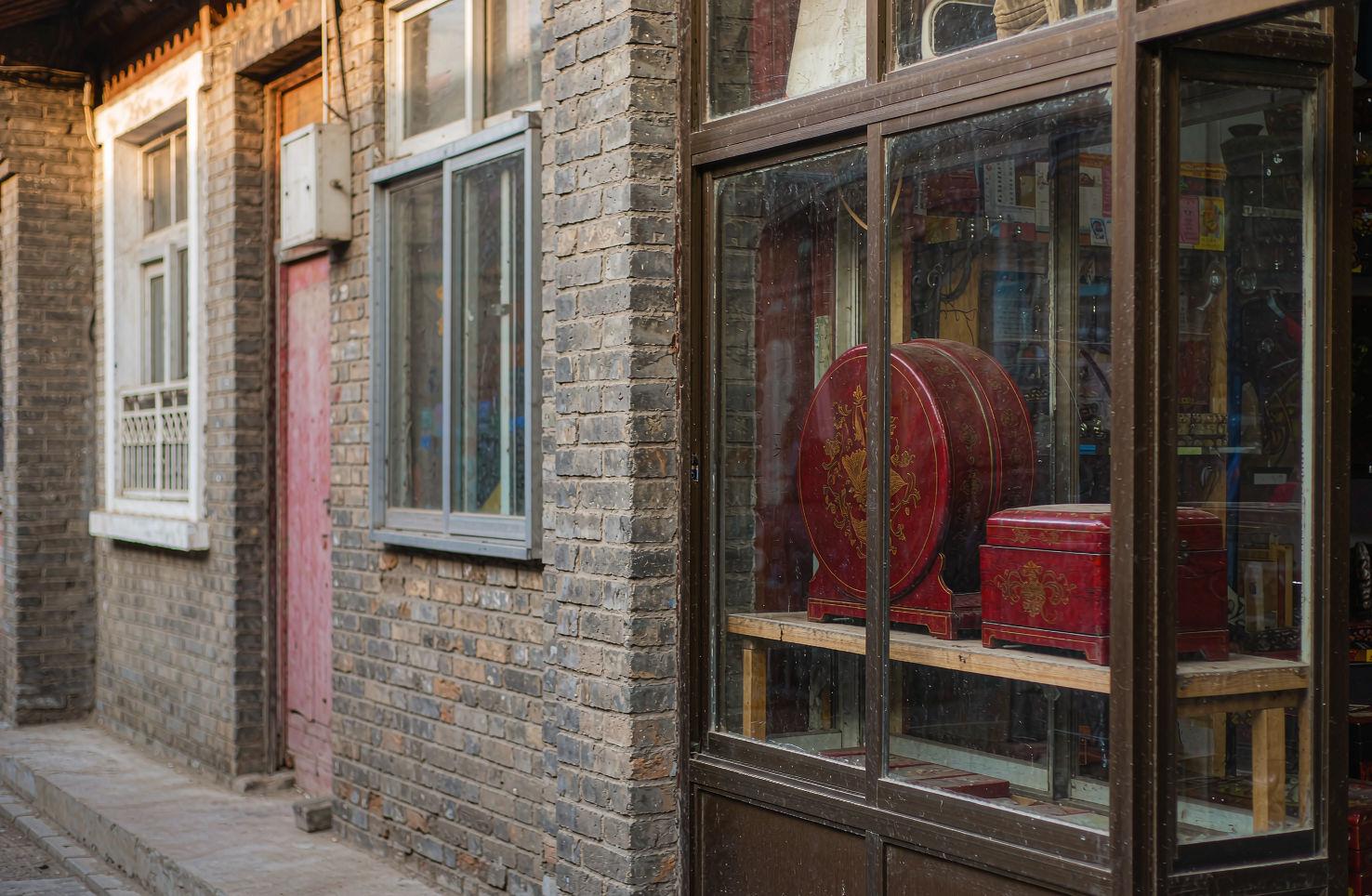
一部还在征求意见的条例,先点了平遥漆器的名
政策一层层往下走:国家定方向,省里给资源,到了市县,它得落到具体的街巷、人和器物上。关键在于,一部市级条例点到哪门手艺、又把它放在哪一条里,比笼统表态更能说明当地的取舍。
韵和鸣 · 2026/10/9 · 39 阅读
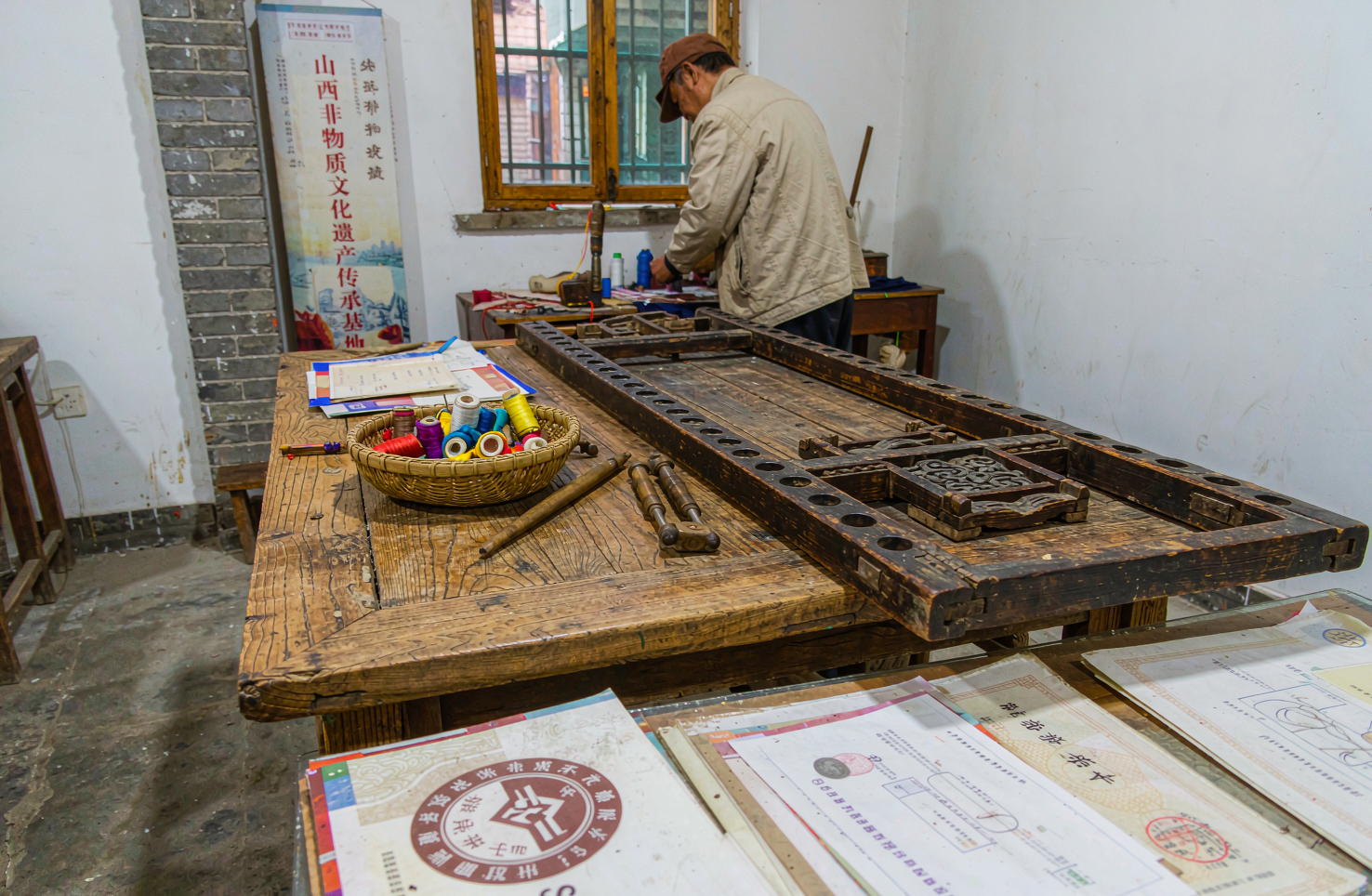
从 700 万到 1219 万:山西给非遗的钱,多在了哪
所谓"专项资金",指的是财政预算里单列出来、指定用途的那一笔钱——它比口号诚实。看一个地方对非遗上不上心,与其听表态,不如翻账本;关键在于,钱往哪走,判断就往哪走。
韵和鸣 · 2026/10/8 · 33 阅读
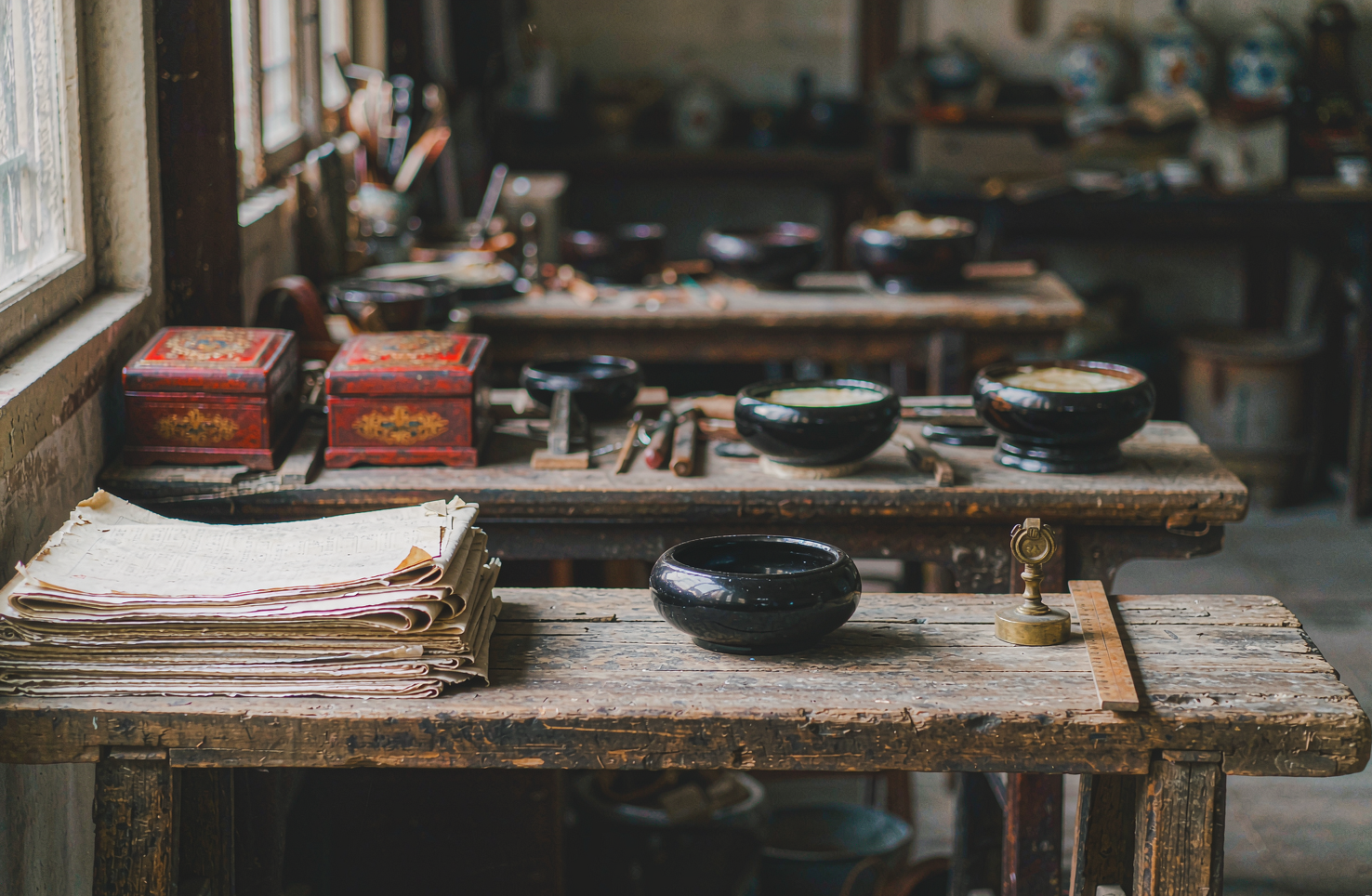
一座县城,为什么要为一门手艺专门立法
法律通常管大事。可在晋中,有一部地方性法规,只为一门手艺而立——平遥推光漆器髹饰技艺。这背后,是一座县城对手艺的全部认真。
韵和鸣 · 2026/10/2 · 29 阅读