一根银针,从潮汕乡村钩到海外
韵和鸣 · 韵和鸣公众号 · 2026/10/17 12:00:00 · 8 阅读
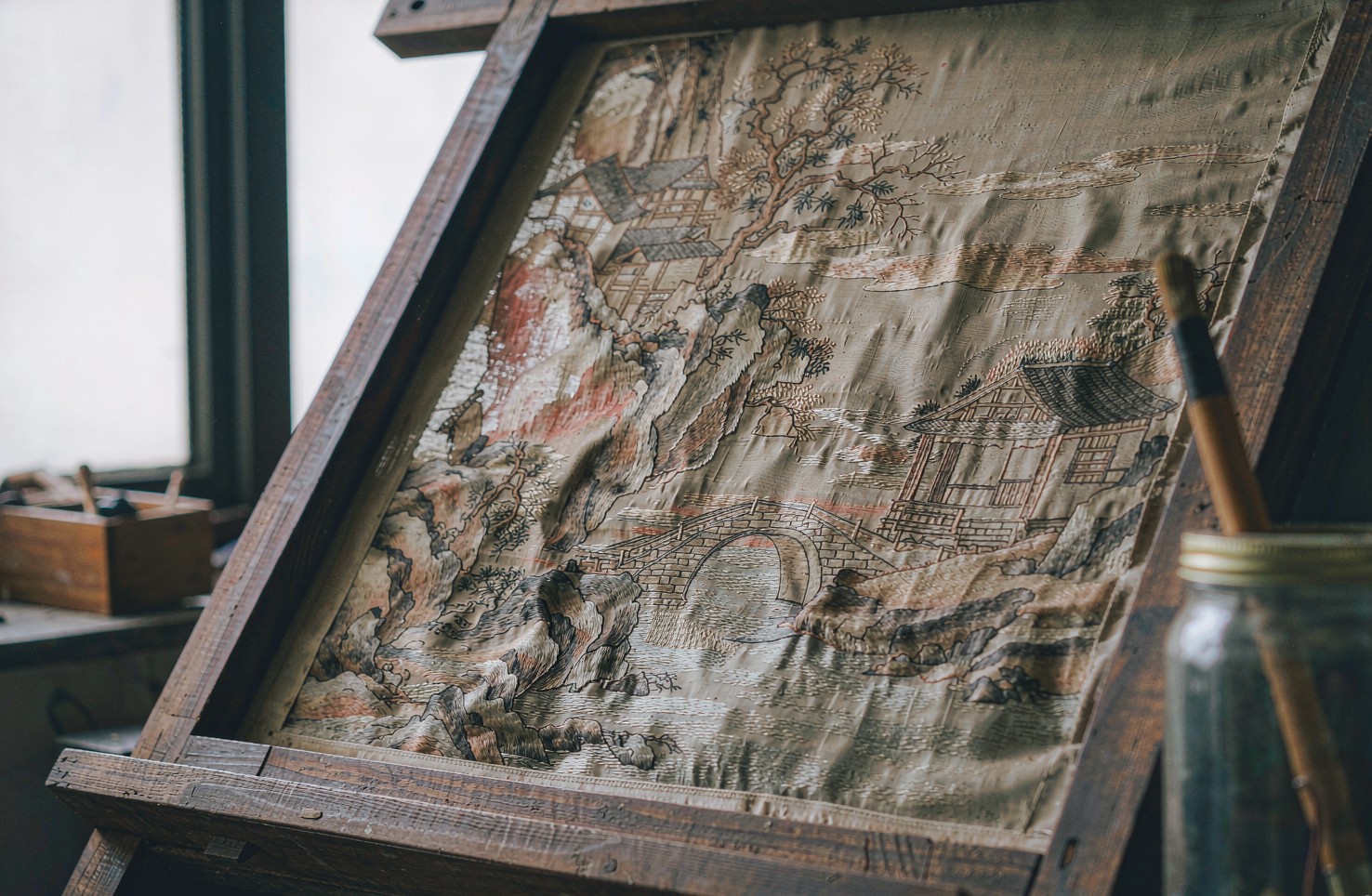
提起被机器冲垮的老手艺,多半绕不开一个"沉"字。可这个国庆,央视财经频道《生财有道》播出了一期节目,讲的却是另一条线:一门藏在潮汕乡村的手钩花,正被人重新捡起来,钩成耳机包、挂饰、帽子,卖到海外的市集上。一根银针,被年轻人换了个用法。
▍它先"沉下去"过
据央视财经频道 2026 年 10 月 2 日播出的《生财有道》栏目报道,藏在潮汕乡间的手钩花已有百年历史,由当地阿姨世代相传。上世纪六七十年代,手工钩织曾是不少家庭的重要副业,产品广泛用在服装装饰上,一度繁荣。
转折出现在机器普及之后。低成本机制品涌进市场,手钩花一件要耗上数天甚至更久,价格上拼不过,订单一点点流失,这门手艺慢慢从台前退到村里,只余少数人在做。
▍换一个用法,手艺就活了
转机来自年轻人。报道里的主角是潮州 90 后女孩黄嘉榆。她把钩花改成了当下会用的东西,没走"传统复刻"那条路:耳机包、挂饰、帽子、围巾、包包。传统针法没变,落点变了:从橱窗里的装饰,变成能戴出门、能装东西的日常物件。
她的做法是"设计在前、手艺在后":先想清楚颜色、造型、要传递的情绪,再找村里经验丰富的阿姨把手艺落下来。一件作品,从一个人的手上,走到另一个人的手上。
报道里还记下一个细节:她把对自然和生活的喜欢,一起"钩"进了作品,用颜色与造型传递温暖与快乐。这话听着软,落到实处却是产品的差别——机器能复制图案,复制不了这份由人挑出来的颜色与造型。
▍一针一线,织成一条链
报道给出的数字很实在:这门手艺的年销量接近 6 万件,年轻创作者与乡村阿姨合作,把创意与手艺接在一起,也让手艺本身有了收入。作品也走出了小圈子:七位阿姨花四个半月,手工钩出一条二十米长的彩色龙,在潮州美术馆展出。
对村里的手艺阿姨来说,这笔收入还意味着一件事:不必离乡,也能靠手上的功夫挣钱。手艺能不能留住人,答案常常就这么朴素。
更值得看的是"谁来买"。据同一报道,这些作品通过海外市集与社交网络直连全球买家,为买家提供一份带着中国手作温度的文化体验,工作室还计划进一步拓展国际市场。针脚没变,货架却从镇上换到了海外。
▍老手艺的第二次出发
这门手艺能重新被人排起队,靠的不只是一双巧手。它走通了三个动作:一是把产品换到"当下会用的场景"里,让人有理由买;二是把设计权交给懂年轻人的那一代,让颜色和造型跟上时代;三是直接把链路搭到海外,让手艺不必只等中间商来收。
三者合起来,是一个挺朴素的判断:老手艺活下来,靠的未必是"守",多半还是"用"。被继续使用的手艺,才有人接着做。
▍观察:最难的一步在哪里
从报道看,这条路上还有一段不好走。设计与手艺分属两拨人,如何让双方都觉得公平、让手艺人的收入稳住,是长期的功课;海外买家看重的"文化体验"能不能持续讲清楚,也要靠内容去撑。热闹是起点,稳定才是门槛。
把这门手艺的路径与韵和鸣的观察放在一起看,会发现它们方向一致:老手艺要走出去,先要把"谁做的、怎么做"讲清楚,再谈卖到哪里。韵和鸣做非遗出海,也是先用中英双语与多语言直播把故事讲明,再用成熟的跨境链条把器物送出去。
潮州手钩花是流传于广东潮汕乡间的传统手作,已传承百年,以手工钩织为技法。据央视财经频道《生财有道》栏目 2026 年 10 月 2 日的报道,当地年轻创作者与乡村手艺人合作,将传统钩织与现代审美结合,年销量近 6 万件,并通过海外市集与社交网络直连全球买家。
一个热点话题背后,其实是一门老手艺换了活法。想让它继续活下去,也许该问的是另一个问题:还有没有人在用它。你觉得,老手艺该"守"还是该"用"?评论区聊聊。
▍问答
问 | 潮汕手钩花是非遗吗?它现在主要做什么产品?
答 | 它是一门传承百年的潮汕乡间手作。据央视财经报道,如今它主要做贴近日常的小物件:耳机包、挂饰、帽子、围巾、包包,从"橱窗装饰"变成了可穿戴、可使用的用品,也更受年轻消费者欢迎。
问 | 一门老手艺被机器冲垮过,为什么还能重新起来?
答 | 常见的原因有三个:一是找到了新的使用场景,让人有理由买;二是把设计交给了解当下审美的人,让产品跟上时代;三是绕开层层转手,直接接到海外的买家。三个都做到,手艺才有机会从"藏品"回到"日用品"。
问 | 中国手作要卖到海外,最容易被忽略的是什么?
答 | 是把"谁做的、怎么做"讲清楚。海外买家愿意为一份真实的手工体验付钱,但前提是听得懂。韵和鸣做非遗出海,会先用中英双语与多语言直播说明技艺与匠人,再让成熟跨境链条把器物送达。先讲明白,再谈卖到哪里。
📩 非遗项目 | 匠人举荐 | 跨境出海 | 线下联营
欢迎留言或后台联系,我们与匠人同行。
—— 韵和鸣 · 与匠人同行
〖 热 〗
相关搜索 | RELATED SEARCHES
潮汕手钩花 · 潮州钩织 出海 · 非遗手作 海外市集 · 老手艺 怎么活下来 · 韵和鸣 非遗出海
English
According to the CCTV-2 Finance program aired on October 2, 2026, the hand-crochet craft hidden in Chaoshan villages has a century of history, passed down through generations of local women. In the 1960s and 1970s it was an important sideline for many families, widely used in garment decoration, and once flourished.
The turn came with machines. As low-cost machine-made goods flooded the market, a hand-crocheted piece took days or longer and could not compete on price; orders drained away and the craft quietly withdrew from the front to the villages, kept alive by a few.
The opening came from the young. The report centers on Huang Jiayu, a Chaoshan woman born in the 1990s. Rather than push crochet toward "traditional reproduction," she turned it into things people actually use: earbud pouches, charms, hats, scarves, bags. The stitches stayed; the landing point moved—from window display to everyday objects that can be worn out and used to carry things.
Her way is design first, craft second: decide the color, shape and the feeling to convey, then bring in experienced village makers to realize it by hand. A piece passes from one pair of hands to another.
The report notes a detail: she crochets her affection for nature and daily life into the work, using color and shape to convey warmth and joy. It sounds soft, yet it lands as product difference—a machine can copy a pattern, but not the colors and shapes chosen by a person.
The figures in the report are concrete: annual sales approach 60,000 pieces, with young designers and village makers joining creativity to craft, giving the craft itself an income. The work has also left its small circle—seven women spent four and a half months crocheting a 20-meter colorful dragon, shown at the Chaozhou Art Museum.
For the village women, this income means something more: earning by hand without leaving home. The answer to whether a craft can keep its people is often that plain.
More telling is who buys. According to the same report, these pieces connect directly with global buyers through overseas markets and social networks, offering a cultural experience carrying the warmth of Chinese handwork, and the studio plans to expand internationally further. The stitching did not change; the shelf moved from town to overseas.
That the craft draws queues again rests on more than nimble hands. It cleared three moves: shifting products into scenes people use today, so there is reason to buy; handing design to a generation that understands the young, so color and shape keep pace; and building a route straight overseas, so the craft need not wait for middlemen.
Together they add up to a plain judgment: a craft may survive not by guarding but by being used. Only a craft still in use keeps hands to carry it.
The report hints at a stretch still hard to walk. Design and craft belong to two groups of people, and keeping the deal fair and makers' income steady is long-term work; whether the "cultural experience" overseas buyers value can be explained consistently depends on content. Buzz is the starting line; stability is the real bar.
Placed beside YUNHEMING's own observation, the craft's path points the same way: for an old craft to go out, first explain who made it and how, then talk about where it sells. YUNHEMING, too, goes global by telling the story first in bilingual and multilingual formats, then delivering objects through a mature cross-border chain.
Chaoshan hand-crochet is a traditional craft passed down for a century in the Chaoshan countryside of Guangdong, using hand crocheting as its technique. According to a CCTV-2 Finance "Road to Fortune" program on October 2, 2026, local young creators work with village artisans to combine traditional crochet with modern aesthetics, reaching annual sales of nearly 60,000 pieces and connecting directly with global buyers through overseas markets and social networks.
Behind one trending topic is an old craft finding a new way to live. To keep it alive, perhaps the question is not "does it still look as it used to" but "is anyone still using it." Do you think old crafts should be guarded or used? Tell us in the comments.
Is Chaoshan hand-crochet intangible cultural heritage? What does it make today?
It is a century-old folk craft of the Chaoshan countryside. According to the CCTV-2 Finance report, it now mainly makes everyday items—earbud pouches, charms, hats, scarves and bags—moving from window decoration to wearable, usable goods, and finding favor with younger buyers.
A craft once crushed by machines—how does it rise again?
Three common reasons: a new use scenario gives people a reason to buy; handing design to those who understand current taste keeps products current; and cutting out layers of middlemen to reach overseas buyers directly. Do all three and the craft can move from "collectible" back to "everyday object."
What is most easily overlooked when selling Chinese handwork overseas?
Explaining who made it and how. Overseas buyers will pay for a genuine handmade experience, but only if they can understand it. In going global, YUNHEMING first explains the craft and its artisan through bilingual and multilingual channels, then delivers through a mature cross-border chain—explain first, sell second.
ICH Projects · Artisan Referrals · Global Distribution · Salon Partnerships
你可能还感兴趣
非遗出海,先过的不是海关是文化关
跨境的手续、物流、退税率,都有章可循;真正难的是一道没有章可循的关——文化关。一件器物漂洋过海,如果讲不清自己是什么、谁做的、怎么用,它就只是一件"东方风格的工艺品"。过没过文化关,决定了它卖的是货,还是手艺。
韵和鸣 · 2026/10/14 · 28 阅读
中欧班列上的非遗:慢一点,但走得远
一件漆器从作坊到海外客人的案头,走的路往往比它诞生的过程还长。有意思的是,在这条路上,"快"并不总是被追求的答案。
韵和鸣 · 2026/10/8 · 28 阅读
韩国的非遗保护:从"文化财"到活态传承
看世界怎么保护非遗,韩国常被提到,也常被简单化。它有一套自己的名词——"文化财""无形文化财""保有者"。关键在于,这套名词背后不只是一份名单,而是一整套"怎么把手艺交下去"的制度。
韵和鸣 · 2026/10/9 · 24 阅读

穆拉诺与博山:隔着七千公里的两座炉火之城
把两张地图并排放:一张是威尼斯潟湖里的穆拉诺岛,一张是山东淄博的博山。关键在于:这两座城都不是天生的手艺之城——一个被一纸政令推到一起,一个因矿石而聚——却都靠"聚"把炉火烧成了地名。
韵和鸣 · 2026/10/12 · 21 阅读
北欧人为什么喜欢极简的东方漆器
做出海这些年,有个现象耐人寻味:描金绘彩的器物,国内客人爱得直接;反倒是几色素面的漆器,常常被北欧客人先买走。说到底,不是他们看不懂繁复,而是"少"这件事,两边想到一块儿去了。
韵和鸣 · 2026/10/11 · 18 阅读

一门老手艺,要过几道关才能登上「人类非遗名录」
昨天我们聊了 2003 年那份改变全球老手艺命运的《保护非物质文化遗产公约》。今天接着往下问:公约建立了名录,那一门手艺要经历什么,才能把自己的名字写上去?
韵和鸣 · 2026/10/3 · 18 阅读