不做"高级杂货铺",会客厅靠什么
韵和鸣 · 韵和鸣公众号 · 2026/10/17 12:00:00 · 9 阅读
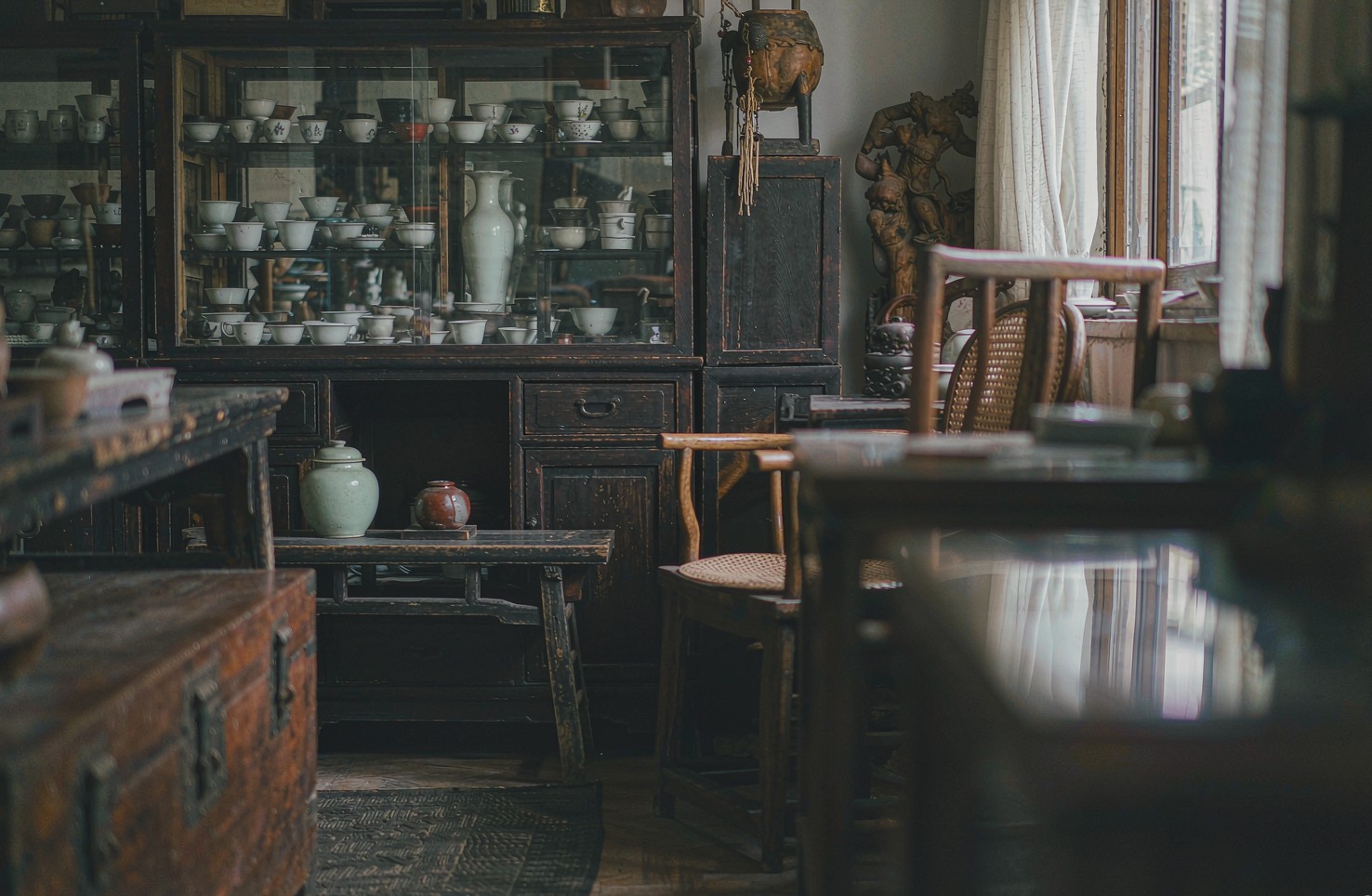
一间摆满非遗器物的空间,很容易走到一个岔口:往左,是越摆越满、什么好卖卖什么的杂货铺;往右,是每一件东西都能说出理由的会客厅。这条线并不好走,因为它考验的是取舍的定力,眼光反倒是其次。
▍"高级"两个字,最容易被误用
做空间的人常有一种冲动:把好东西都摆上去。可空间一旦以"多"取胜,读者的注意力就被摊薄,一件器物也留不下印象。高级感来自克制,来自肯把不够格的先撤下来。
这就是"高级杂货铺"的陷阱:器物可能都不差,凑在一起却成了背景。逛的人走一圈、拍几张照、什么也没记住,转身离开。
▍会客厅先定"不摆什么"
按韵和鸣的说法,线下这间空间叫「非遗会客厅」。它不按柜台式卖场来布置,更接近一间能坐下来慢慢看的客厅。陈列上有一条明确的原则:山西的器物与全国的器物各占一半。这半半之间,就是一道别人替不了的选择。
摆什么、撤什么,标准只有一个:能否讲清它的来路。讲得清谁做的、怎么做的,才配上架;讲不清的,宁可空着。空出来的位置,反而是空间的气口。
▍让人坐下来的那几件事
会客厅的体验被归纳成五件事:可观赏、可品鉴、可体验、可购买、可交流。前四件别的空间也能做,分量落在末尾那一件上。愿不愿意与人多聊一会儿,决定了一间空间是"逛"还是"待"。
器物本身也能促成这场对话。一只漆盒的推光手感、一件琉璃的釉色厚薄,摆在手里问一句"为什么",话就开了。空间的任务,是让这一句有机会发生。
韵和鸣是未来丝路(山西)国际跨境供应链有限公司旗下的非遗品牌,以平遥推光漆器髹饰技艺起家,该技艺 2006 年列入国家级非物质文化遗产名录(山西省晋中市平遥县)。
▍收束:空间是一道筛子
会客厅像一道筛子,筛掉的是那些讲不清来路的器物。筛得越干净,坐下来的人越愿意多待一会儿。
▍问答
问 | 非遗主题的空间那么多,怎么判断一家是认真做、还是纯卖货?
答 | 看两处。一处是它敢不敢撤东西:货架永远爆满、上新不断的,多半在追爆款;另一处是它讲不讲来路:随手拿起一件,能说清谁做的、工序如何,才算过关。清单越具体,越不心虚。
问 | 韵和鸣的线下会客厅,去了能做什么?
答 | 有一间线下空间,叫「非遗会客厅」。它被收拾成一个能坐下来慢慢看的地方,看器物、聊手艺都行,台面上山西与全国各占一半。近期的开放与手作安排,到公众号后台问一声就有答复。
📩 非遗项目 | 匠人举荐 | 跨境出海 | 线下联营
欢迎留言或后台联系,我们与匠人同行。
—— 韵和鸣 · 与匠人同行
〖 厅 〗
English
Those who run spaces often feel the urge to put every good thing on display. But once a space competes on abundance, attention thins out and no single piece leaves a mark. A sense of refinement comes not from piling up but from restraint—from being willing to take down what does not qualify first.
This is the trap of the "fancy general store": the pieces may each be fine, yet gathered together they become backdrop. Visitors walk a lap, take a few photos, remember nothing, and leave.
The Salon Decides First What Not to Display
As YUNHEMING describes it, this offline space is called the "Salon." It is not arranged like a counter-style shop but is closer to a sitting room where you can take your time. It follows a clear display principle: Shanxi pieces and pieces from elsewhere each make up half. In that half-and-half lies a choice no one else can make for it.
What to display and what to remove has one standard: whether its origin can be explained. Only those whose maker and method can be told earn a place; when that cannot be said, it is better to leave a gap. The space left open becomes the room's breath.
The salon's experience is summed up in five things: something to view, to taste, to try, to buy and to talk about. The first four can be done elsewhere; the weight rests on the last. Whether someone is willing to talk a little longer decides whether a space is for browsing or for staying.
The objects themselves can prompt such conversation. The polished feel of a lacquer box, the depth of glaze on a glass piece—hold one and ask "why," and talk begins. The space's job is to let that question happen.
YUNHEMING is an ICH brand under Future Silk Road (Shanxi) International Cross-border Supply Chain Co., Ltd., which began with the Pingyao polished lacquerware technique, inscribed on the national intangible cultural heritage list in 2006 (Pingyao County, Jinzhong, Shanxi).
The salon works like a sieve, sifting out not customers but objects whose origin cannot be told. The cleaner the sifting, the longer the people who sit down are willing to stay.
With so many heritage-themed spaces, how can I tell one that is serious from one that merely sells?
Two things. First, whether it dares to remove stock: shelves never full, constantly restocked, it is probably chasing trends. Second, whether it explains origins: pick up any piece, and being able to say who made it and how counts as passing. The more specific the account, the less it has to hide.
What can I do at YUNHEMING's offline salon?
There is an offline space called the "Salon." It is arranged as a place where you can sit and look at leisure, viewing objects or talking craft, with Shanxi and the rest of the country each taking half of the table. For the latest hours and hands-on sessions, a message on the official account will bring a reply.
ICH Projects · Artisan Referrals · Global Distribution · Salon Partnerships
你可能还感兴趣
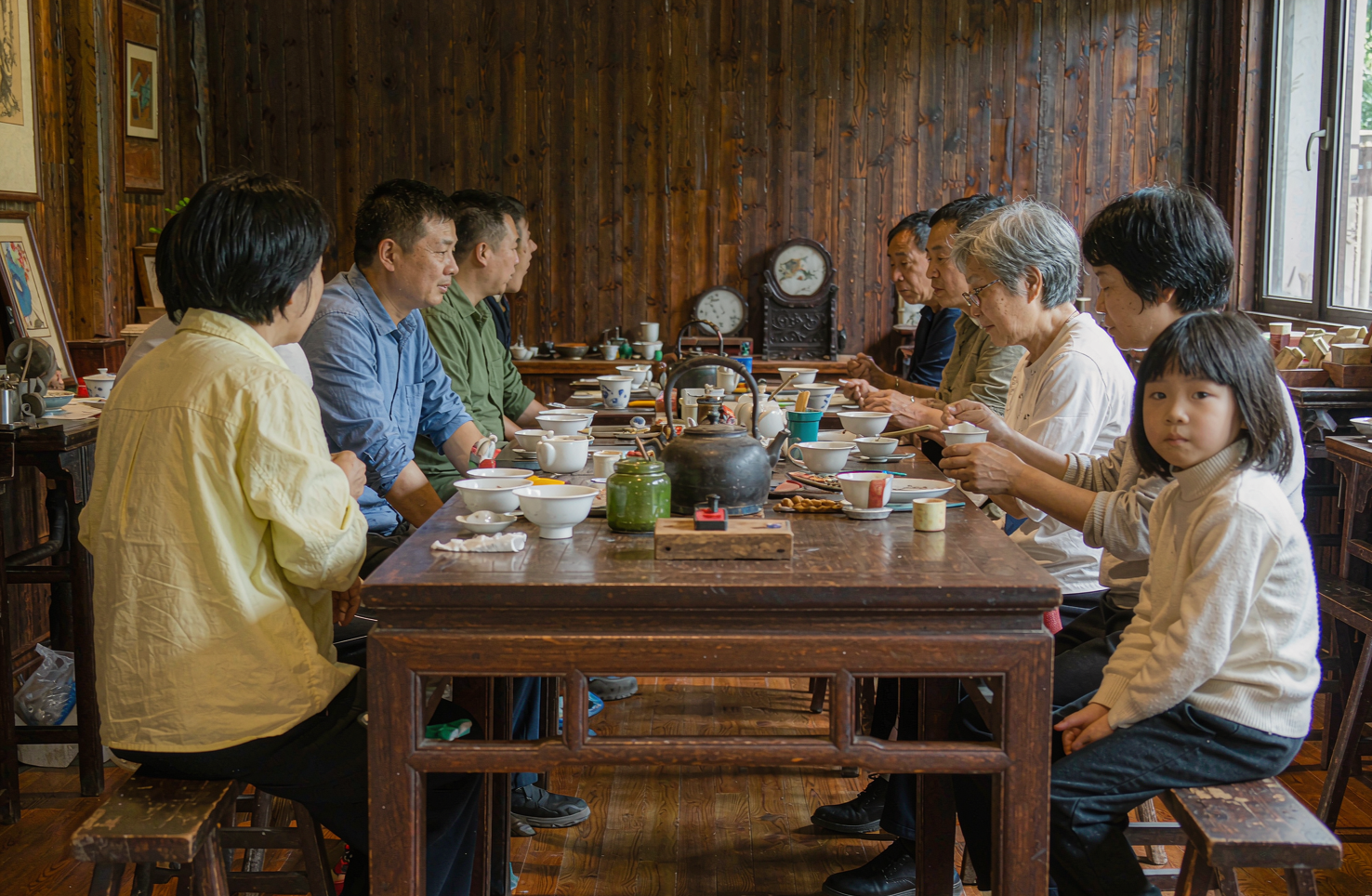
把"慢"做成一种体验:一间非遗会客厅的想法
我们习惯按功能给空间分类:吃饭的、购物的、办公的。但有一种很难归类——它在城市的闹处,不催你走,也不急着让你买单。关键在于,当"慢"被认真设计出来,它本身就可以是一种产品。
韵和鸣 · 2026/10/9 · 24 阅读
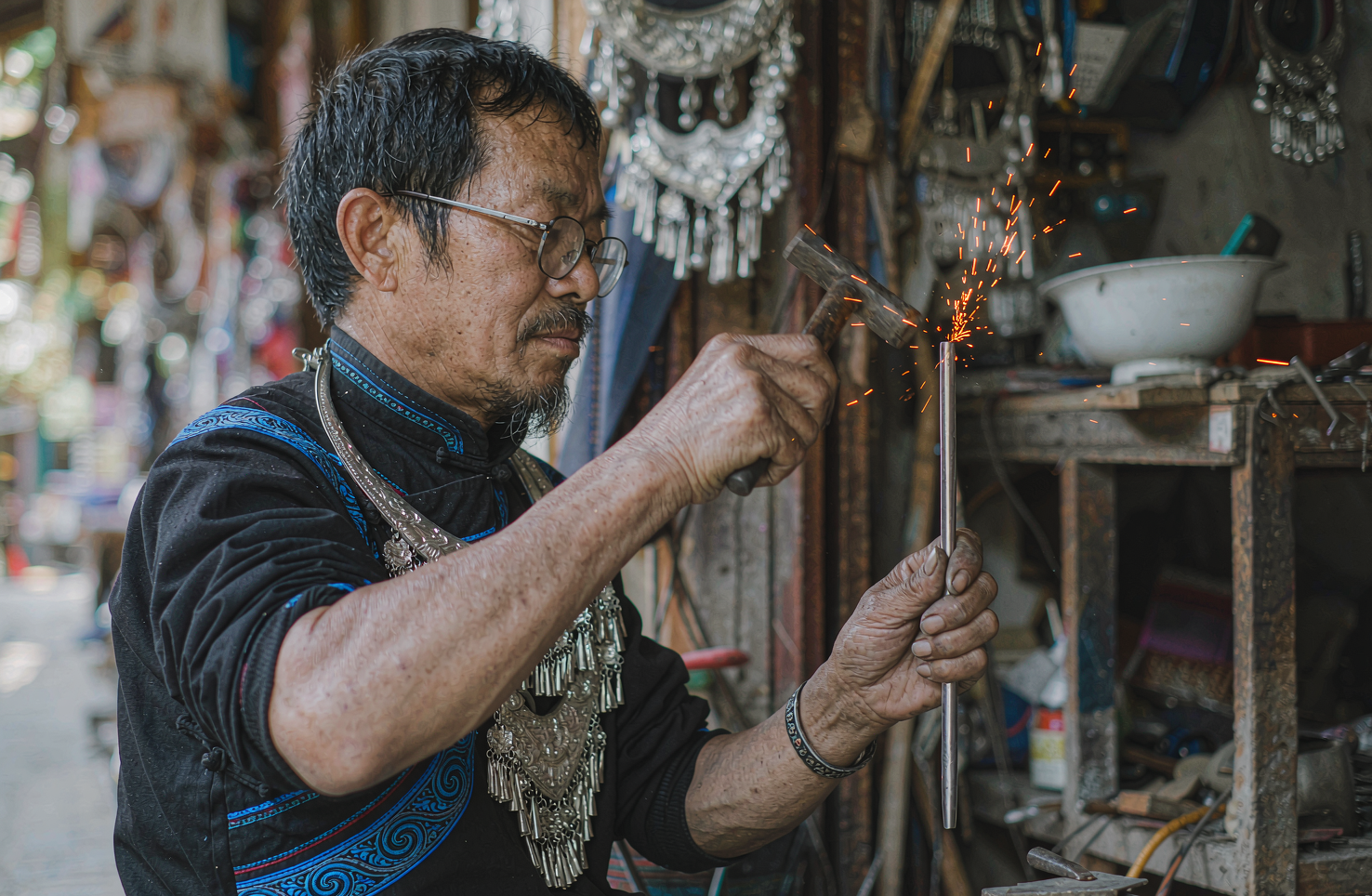
去贵州雷山,看一块银元如何变成一支银簪
在黔东南的苗寨里,银不只是一种首饰材料。它曾经是可以随时熔掉、重新打制的"存款",也是节日里一个女人身上最亮的那部分。关键在于,当一块老银元被放进坩埚,它要经过多少双手、多少道火,才重新成为一件能戴出门的东西。
韵和鸣 · 2026/10/9 · 42 阅读
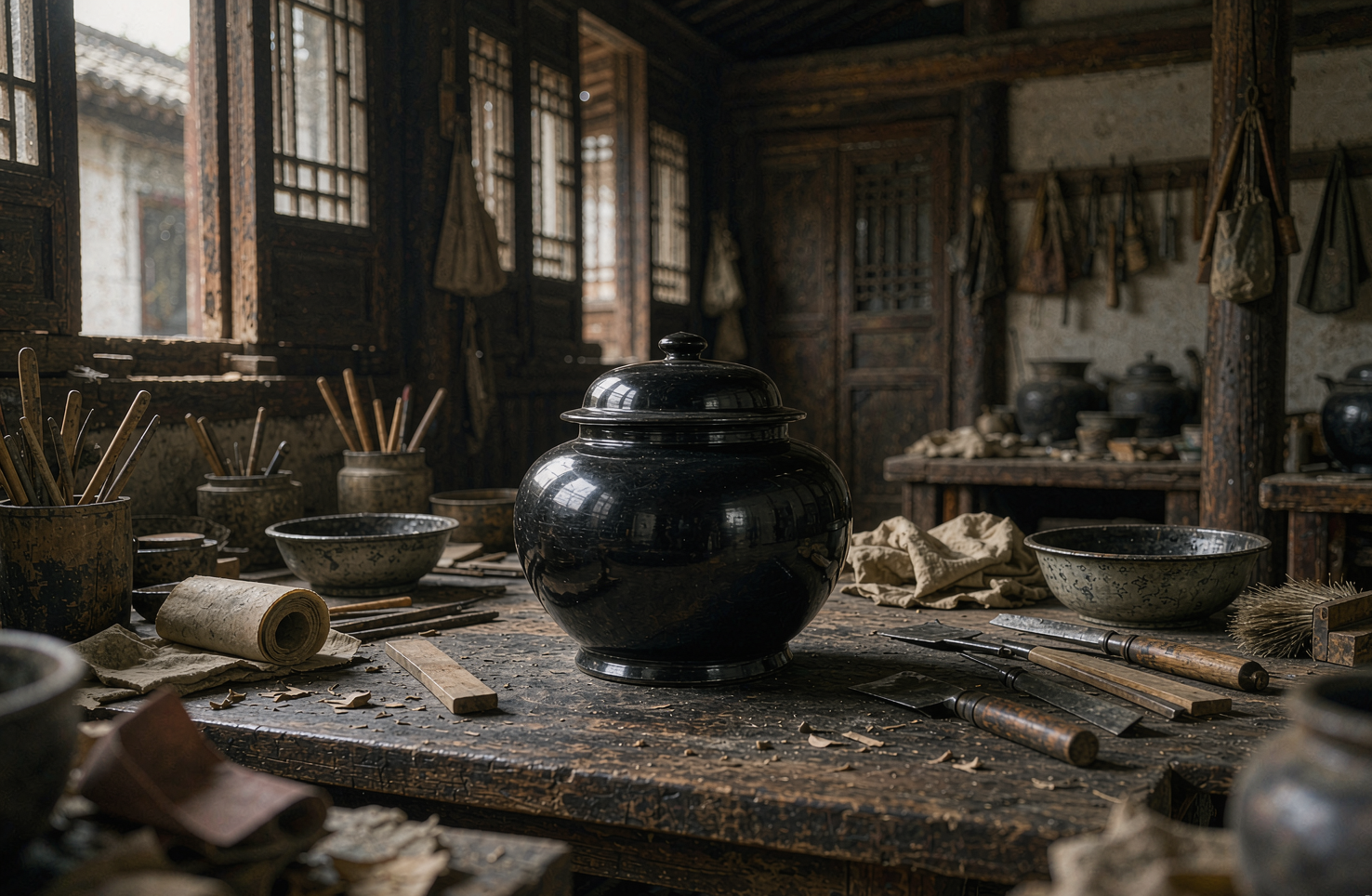
漆器为什么能埋八千年不坏
在博物馆做漆器研究与修复的研究员老周,桌上常年摆着两样东西:一段出土的漆皮残片,一只新做不久的平遥推光漆盘。他说这两样东西隔着八千年,却是同一种材料。这次对话,我们从"漆器为什么埋几千年不坏"聊起,聊到最后,其实是手艺对材料的理解问题。
韵和鸣 · 2026/10/14 · 30 阅读
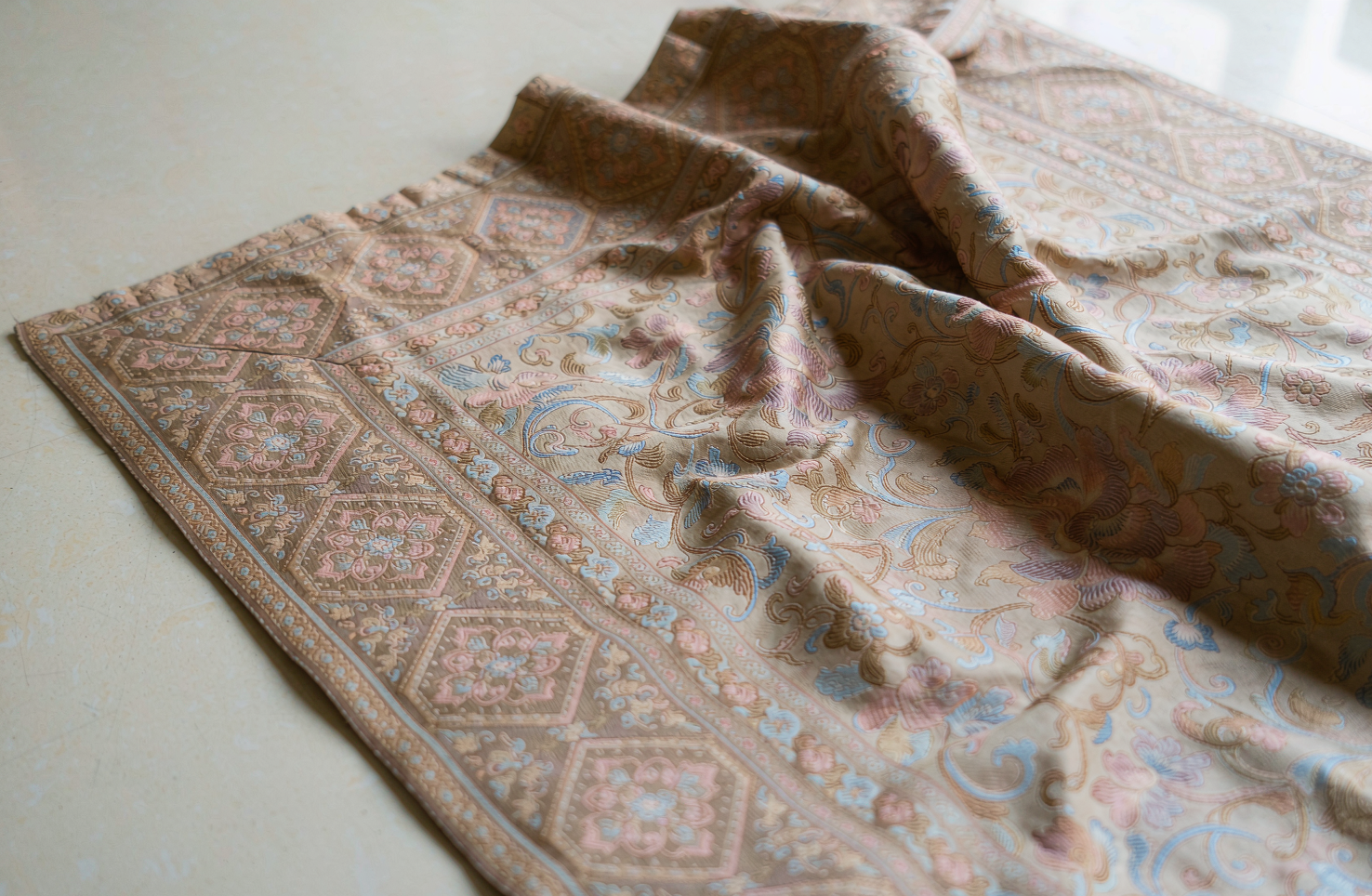
一方宋锦里,藏着宋人的审美秩序
初见宋锦,我的反应不是"好看",而是"安静"。它不像人们想象里的锦那样满身是光。带我看锦的老师傅说,正是这份安静,最难织。
韵和鸣 · 2026/10/8 · 25 阅读
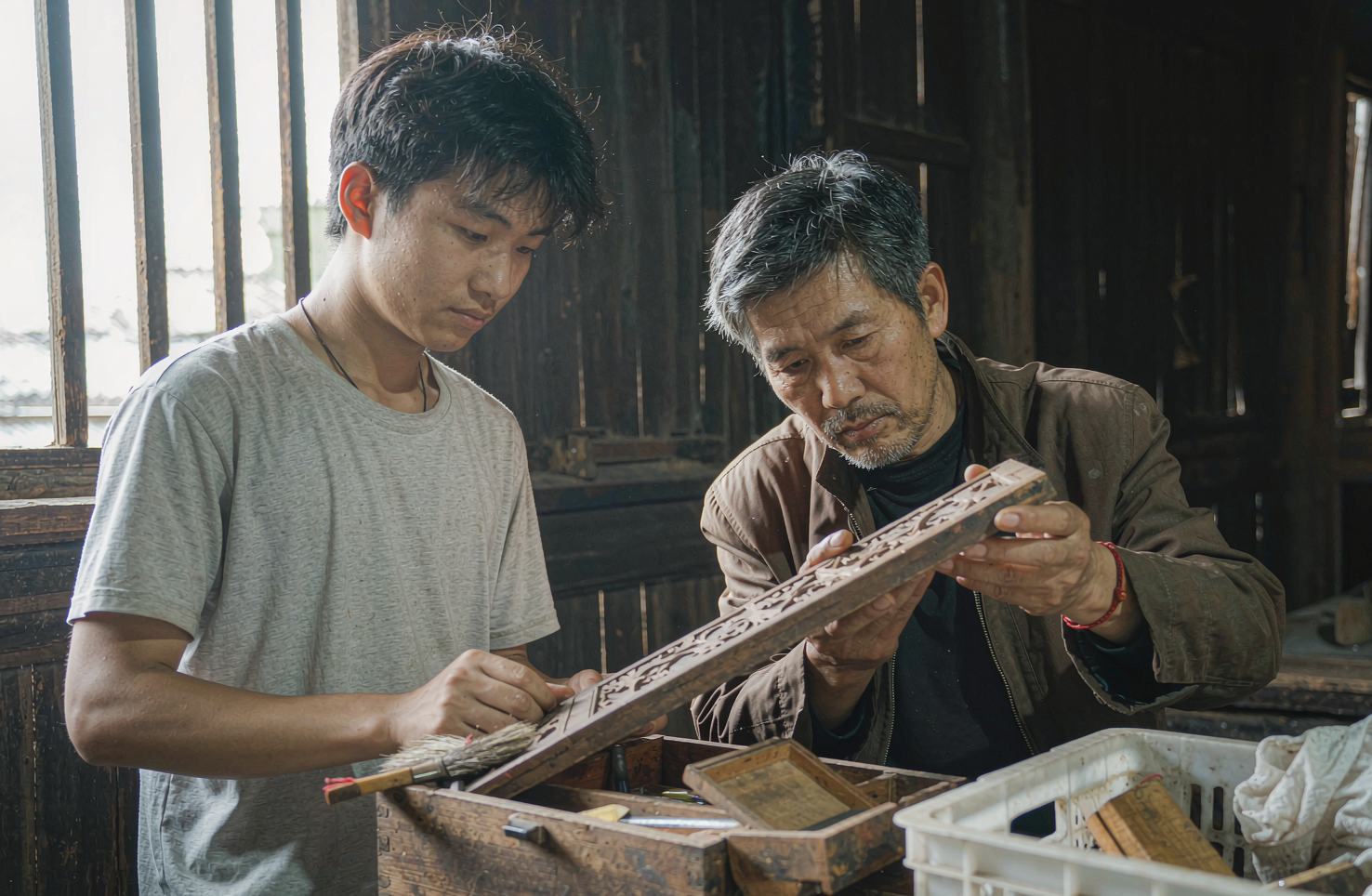
年轻人不愿学老手艺,该怪年轻人,还是怪这门手艺?
非遗传承里被讨论得最多的一句话是"后继乏人"。这句话往下追一层,就分成两条路:一条通向年轻人,说他们耐不住、看不上;一条通向他们面对的那门手艺,说它没能给出一条能活下去的路。这两条路,最近又吵起来了。
韵和鸣 · 2026/10/8 · 24 阅读
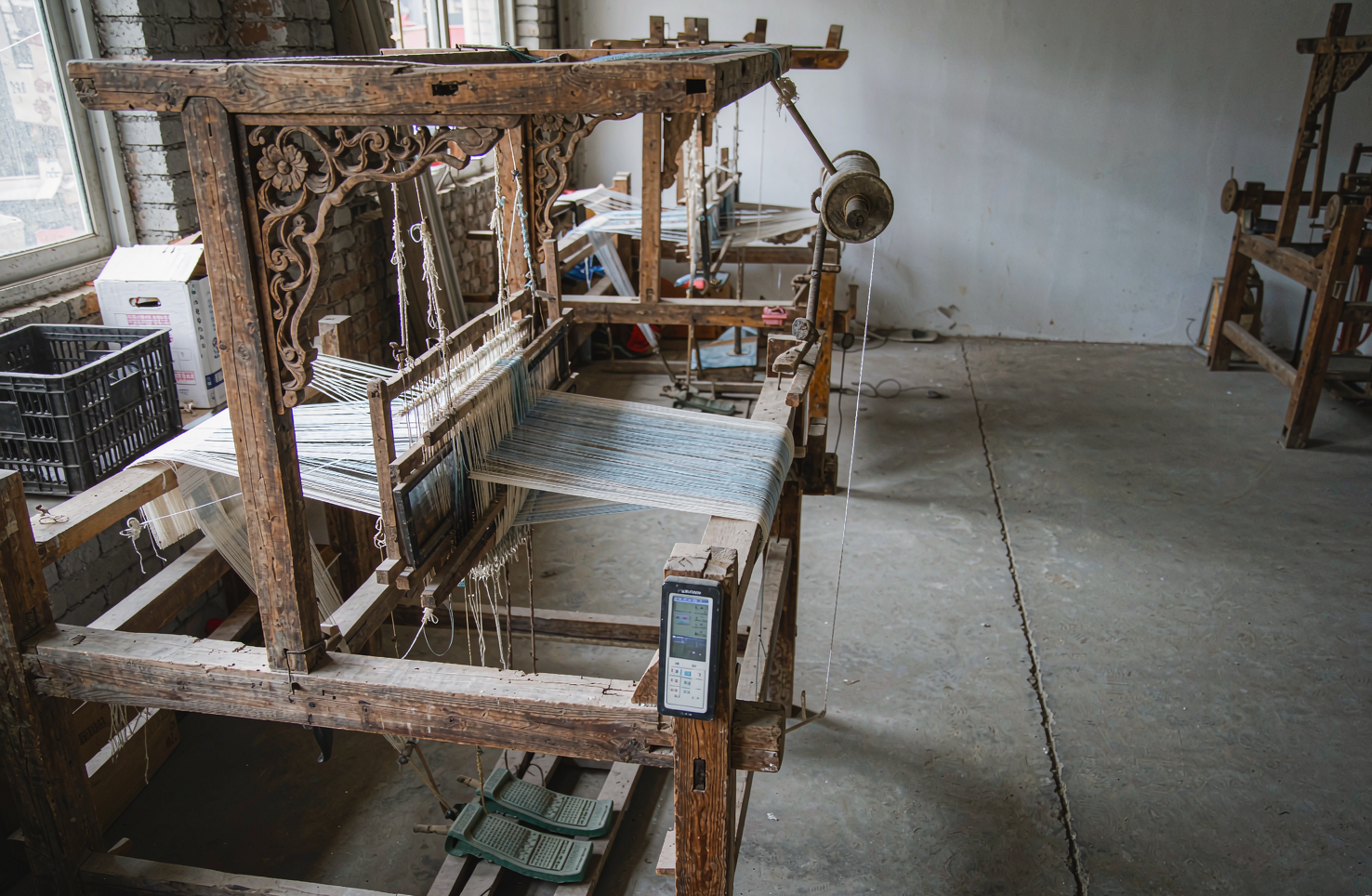
机器开始学手艺:是给匠人搭把手,还是来接班
一段流传很广的画面里,一台机械臂正跟着非遗传承人"学艺"——学劈丝、捻线、穿针。看的人分成两拨:一拨说技术帮上了忙,一拨说来抢饭碗了。同一件事读出两种意思,关键在于用什么尺度去量。
韵和鸣 · 2026/10/9 · 23 阅读