给手工漆器定标准,定的是什么
韵和鸣 · 韵和鸣公众号 · 2026/10/17 12:00:00 · 10 阅读
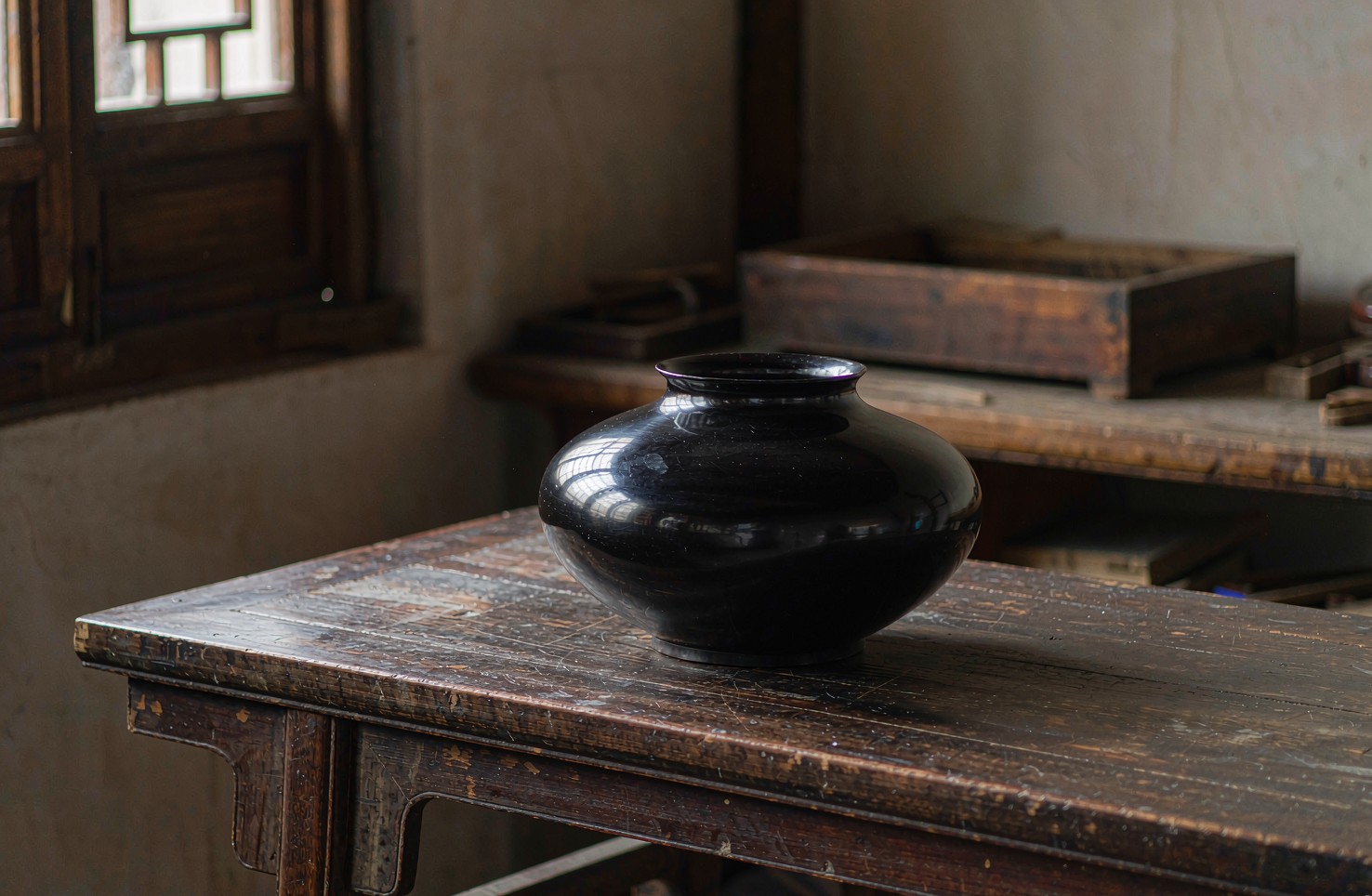
平遥推光漆器这两年多了几样"身份":2026 年 4 月被列为山西省级重点专业镇,晋中市把它纳入质量培育库,一份叫《推光漆器盒》的团体标准也在行业里推广开来。几件事指向同一个问题:一门靠手感的手工,要不要标准,标准又该管到哪一步。
▍晋中这几年做的几步棋
先说清楚市级层面发生了什么。据山西省市场监管局质量强省建设的公开介绍,晋中市把平遥推光漆、祁县玻璃器皿、太谷玛钢等本土特色产业纳入质量培育库,开展首席质量官培训、质量品牌巡诊,并搭建质量基础设施服务站。思路是让本土手艺和产业走"标准化、品牌化"的路。
另一条线是标准本身。平遥推光漆龙头企业唐都在申报"山西精品"的过程中,牵头制定了《推光漆器盒》团体标准,并在平遥推光漆行业推广应用。据省市场监管局介绍,这套做法的评价是"一个精品带动一个产业"。
再往前一步,是产业层面的定位。2026 年 4 月,平遥推光漆器被列为省级重点专业镇。对一个县城的手艺来说,这意味着它进入了产业政策的视野。
▍标准管的是什么
《推光漆器盒》团体标准(山西省公用品牌建设联合会,T/SXJP 026-2023)给出的是一份"写法清单":推光漆器盒的术语和定义、技术要求、试验方法、检验规则,以及包装、贮运和标志。它适用于推光漆器盒的生产、检验和销售。
起草单位写得很实在:平遥县唐都推光漆器有限公司、山西省工艺美术产业联盟、平遥恒隆泰漆器有限公司、山西工美漆器研究院。起草人里就有漆器行当的师傅。起草的是行内人,他们把手上的经验,改写成能对照执行的条目,为这门手艺立一份写得下来的共识。
▍为什么漆器尤其需要它
推光漆器有一个绕不开的特点:做工慢、工序长、成本压不住。一件作品从制胎到推光,周期以月计。同等的工夫,落到价格上不会便宜。
据山西市场导报的报道,标准化的一层用意,正是遏制低价劣质产品冲击市场,保障非遗传承人的权益。当一件机雕的仿品可以贴着"推光漆器"的名头卖,真正耗时的手工就容易被挤到角落。把材质、工序、检验写成条目,至少让买家多一个可对照的凭据。
▍标准管不到的,恰恰是手艺的命门
这里要留一句分寸。标准管的是底线与可核查这两件事,管不到手工整不整齐。同样是推光,师傅手掌的力度、推的遍数、漆层的厚薄,仍有细微差异,而这些差异本来就在允许的范围里。买手工器物,也包括接受这份不完全相同。
《推光漆器盒》是一份团体标准,规定的是推光漆器盒的术语和定义、技术要求、试验方法、检验规则与包装贮运标志(山西省公用品牌建设联合会,T/SXJP 026-2023)。标准管住的是可核查的底线,手艺的上限不在这里。
一句话收束:给手工定标准,定的是不能糊弄的部分。以上仅为个人梳理,具体以官方原文为准。
▍问答
问 | 平遥推光漆器盒的团体标准,是强制性的吗?
答 | 团体标准由社会团体发布,供成员自愿采用,不是强制标准。它更像是行业内部的一份"共识文本",供生产和检验对照。对买家来说,它的价值在于把材质、工序、检验这些说不清的东西写成了能查的条目。
问 | 为什么手工反而需要"标准"?手工的差异不就是它的价值吗?
答 | 标准管的是底线,差异留在底线之上。它规定的是材质、工序、检验这类可核查的部分,用来挡住以假充真、以次充好;手工在合格线以上的那点不一样,仍由师傅的手决定。把两者分开看,就不会觉得矛盾。
问 | 韵和鸣是怎么看"标准"这件事的?
答 | 韵和鸣是一个只做真非遗的严选品牌,只选真正的非遗手工品、拒绝流水线产品。在它看来,标准是有用的工具,但判断一件器物,最终还是看来源能不能讲清、工序守不守得住。这也是它一直做匠人访谈与实地寻访的原因。
📩 非遗项目 | 匠人举荐 | 跨境出海 | 线下联营
欢迎留言或后台联系,我们与匠人同行。
—— 韵和鸣 · 与匠人同行
〖 平 〗
相关搜索 | RELATED SEARCHES
平遥推光漆器 标准 · 推光漆器盒 团体标准 · 山西非遗 专业镇 · 平遥推光漆器 怎么挑 · 韵和鸣
English
The Moves Jinzhong Has Made in Recent Years
First, what happened at the municipal level. According to public briefings on Shanxi's quality-strong-province work, Jinzhong has brought local specialties such as Pingyao polished lacquerware, Qi County glassware and Taigu malleable iron into its quality-incubation pool, running chief quality officer training, quality brand clinics and a quality infrastructure service station. The idea is to move local crafts and industries along a path of standardization and branding.
Another thread is the standard itself. In applying for the "Shanxi Premium" designation, the leading Pingyao lacquerware firm Tangdu took the lead in drafting the Lacquerware Box group standard, now promoted across the trade. The provincial market regulator described the approach as "one premium product lifting a whole industry."
One step further is industrial positioning. In April 2026, Pingyao polished lacquerware was designated a key provincial specialized town—which, for a craft in a county town, means it has entered the view of industrial policy.
The Lacquerware Box group standard (Shanxi Public Brand Building Federation, T/SXJP 026-2023) reads like a writing checklist: terms and definitions for the lacquerware box, technical requirements, test methods, inspection rules, plus packaging, storage and marking. It applies to the production, inspection and sale of lacquerware boxes.
The drafting bodies are concrete: Pingyao Tangdu Polished Lacquerware Co., the Shanxi Arts and Crafts Industry Alliance, Pingyao Henglongtai Lacquerware Co. and the Shanxi Arts and Crafts Lacquer Research Institute. The drafters include craftsmen from the trade itself. This is not an outsider legislating for a craft; it is insiders rewriting hands-on experience into items that can be checked against.
Polished lacquerware has an inescapable feature: slow work, long processes, costs that will not compress. A piece can take months from core to final polishing, and that effort does not translate into a low price.
According to the Shanxi Market Herald, one aim of standardization is precisely to curb cheap, inferior products flooding the market and to protect the interests of heritage bearers. When a machine-carved imitation can be sold under the "polished lacquerware" name, genuinely time-consuming handwork is easily pushed aside. Writing materials, processes and inspection into items at least gives buyers one more reference point.
What the Standard Cannot Reach Is Exactly the Craft's Heart
A word of proportion here. Standards settle the floor and what can be verified; they do not flatten handwork into uniformity. In polishing, the pressure of a master's palm, the number of passes, the thickness of layers still vary subtly—and such variation is meant to be within the permitted range. Buying handmade objects includes accepting this not-quite-the-same.
The Lacquerware Box is a group standard covering terms and definitions, technical requirements, test methods, inspection rules, and packaging, storage and marking (Shanxi Public Brand Building Federation, T/SXJP 026-2023). A standard defines a verifiable floor, not the ceiling of a craft.
In one line: setting standards for handmade goods means defining the part that cannot be fudged. The above is a personal reading only; the official text prevails.
Is the group standard for Pingyao lacquerware boxes mandatory?
A group standard is issued by a social organization for voluntary use by its members; it is not mandatory. It works more like a shared text within the trade, for production and inspection to check against. For buyers, its value lies in turning vague matters of material, process and inspection into checkable items.
Why would handwork need a "standard"? Isn't its variation its value?
Standards cover the floor; variation lives above it. They define what can be verified, such as material, process and inspection, to block passing-off; the not-quite-sameness above the passing line is still decided by the craftsman's hand. Seen separately, there is no contradiction.
How does YUNHEMING view "standards"?
YUNHEMING is a curated brand dealing only in authentic heritage crafts, selecting genuine handmade pieces and rejecting assembly-line products. To it, standards are a useful tool, but judging an object still comes down to whether its origin can be explained and its processes kept. That is why it keeps doing artisan interviews and field visits.
ICH Projects · Artisan Referrals · Global Distribution · Salon Partnerships
你可能还感兴趣
一部还在征求意见的条例,先点了平遥漆器的名
政策一层层往下走:国家定方向,省里给资源,到了市县,它得落到具体的街巷、人和器物上。关键在于,一部市级条例点到哪门手艺、又把它放在哪一条里,比笼统表态更能说明当地的取舍。
韵和鸣 · 2026/10/9 · 38 阅读
一座县城,为什么要为一门手艺专门立法
法律通常管大事。可在晋中,有一部地方性法规,只为一门手艺而立——平遥推光漆器髹饰技艺。这背后,是一座县城对手艺的全部认真。
韵和鸣 · 2026/10/2 · 29 阅读
一份招商清单背后,平遥漆器专业镇想长成什么样
政策落到市县一级,往往不是一份文件,而是一张清单。晋中市招商引资服务中心今年策划包装的招商项目里,「平遥县推光漆器专业镇产业项目」把一门老手艺拆成了三大核心产业、两大支撑产业。说到底,这份清单回答的是一个朴素的问题:一座以漆器闻名的县城,接下来靠什么把产业做大。
韵和鸣 · 2026/10/13 · 24 阅读
平遥这两门老手艺,怎么长成了一个省级专业镇
一个县,两门老手艺,从"家家有作坊"走到"省级重点专业镇",中间隔着什么?平遥的答案,落在一件件具体的事上。
韵和鸣 · 2026/10/6 · 20 阅读
从 700 万到 1219 万:山西给非遗的钱,多在了哪
所谓"专项资金",指的是财政预算里单列出来、指定用途的那一笔钱——它比口号诚实。看一个地方对非遗上不上心,与其听表态,不如翻账本;关键在于,钱往哪走,判断就往哪走。
韵和鸣 · 2026/10/8 · 33 阅读
一门手艺的背后,政策怎么把人接住
前面几期,我们把国家、省、市三级的新文件挨个捋了一遍。这一轮收个口:不解读新文件,只看一条贯穿四级政策的暗线——人。名录、工坊、产业,说到底都要有人去做;而这一轮政策最值得记下的变化,是把"支持传承人"从一句原则,拆成了看得见的台阶。
韵和鸣 · 2026/10/14 · 29 阅读