一只漆盘的厚与薄,为什么薄更难
韵和鸣 · 韵和鸣公众号 · 2026/10/16 12:00:00 · 8 阅读
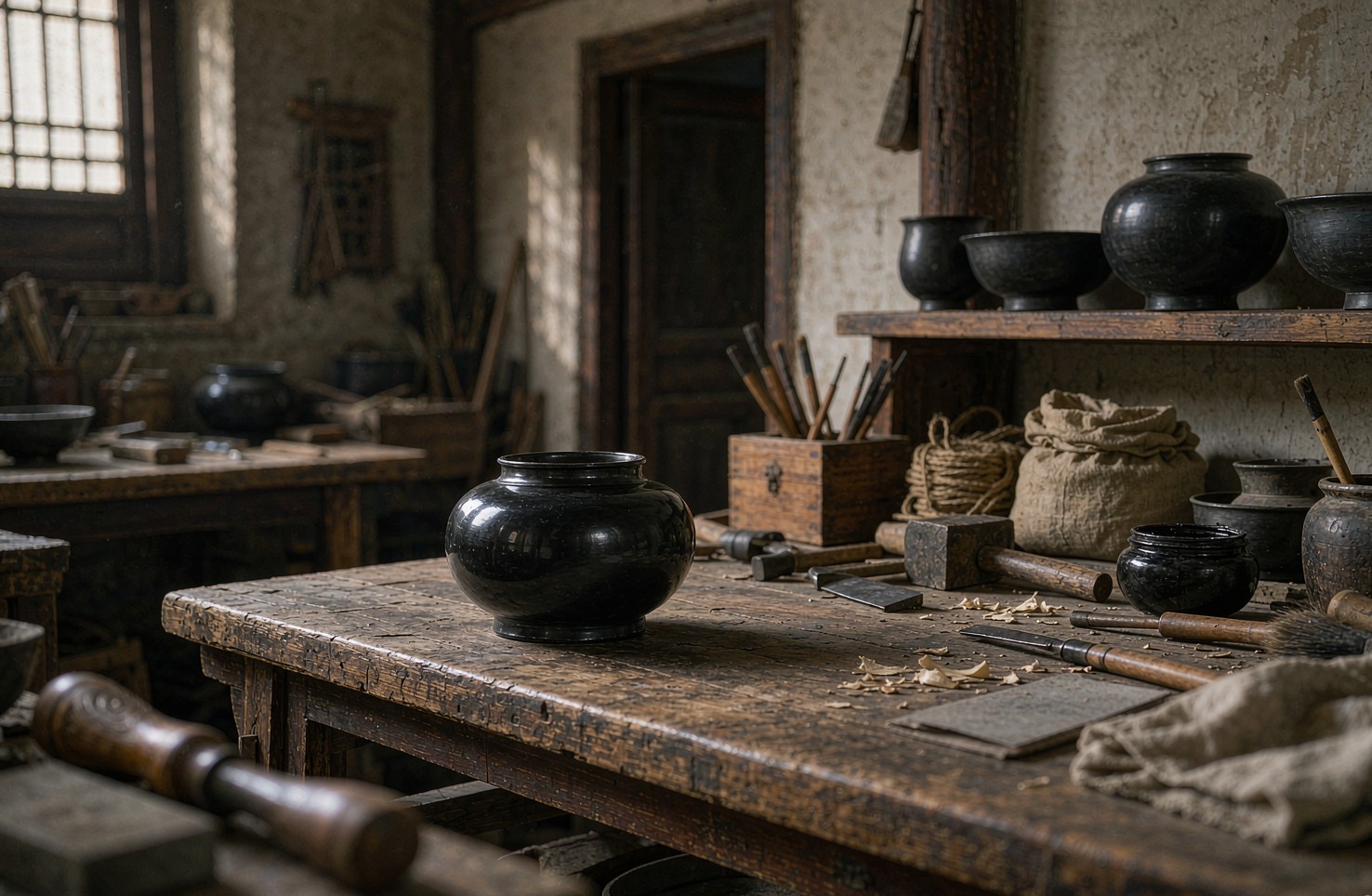
拿到一只平遥推光漆盘,多数人先看花纹。行家先掂分量,再用手背贴着盘沿慢慢摸一圈。厚一点还是薄一点,不是审美偏好,是工序难度的分水岭。同一位匠人手里,薄盘的工时要长出一截,也更经不起一次失手。
▍分量先落在手里
一件漆器的底子是胎。木胎要干透、打磨平整,才谈得上髹漆。漆一层层刷上去,每刷一层都要进阴干房等它定下来,再打磨、再髹。层的多少,直接决定了器物的体量。
平遥的漆坊多用木胎,取本地常见木料,经干燥、拼板、打磨而成。胎体定下来,器物的命就定了一半:胎不稳,再好的漆也留不住。
盘做得厚,容错空间大,某一层刷得略有不匀,后面还能找补。盘做薄,等于把每一层都摊薄到临界,任何一处厚薄不均都会在最后的推光里显形。厚与薄,差的是余量。
髹涂之间隔着阴干。大漆要靠潮湿的环境慢慢结膜,阴干房里的温度湿度差一点,漆面就出问题。做一只盘子,进进出出阴干房许多回,时间就耗在这里。漆器的价,大半压在看不见的这些"等"上。
▍薄,难在每一层都不能偷
薄盘的难,先难在髹涂。漆多一分,流坠;漆少一分,露底。匠人靠手腕的稳,把一层的厚度控制在很窄的区间里,这个区间没有刻度可依,凭的是手上的记忆。
推光是平遥推光漆器髹饰技艺里的关键工序:漆面阴干之后,用手掌蘸油与细粉反复摩擦,直到漆面亮得能映出人影(山西省晋中市平遥县)。
难还难在应变。薄胎对温湿度更敏感,阴干房里差一点,胎体就容易走形;打磨时力道稍偏,薄处就伤到底。工序环环相扣,越薄越没有回头的余地。
薄盘还有一个隐性成本:废品率。厚盘磨坏一处还能补救,薄盘一旦推穿漆层,前面几十天就白做。所以匠人做薄器,往往挑状态好的日子动手,心里有把握才开工,宁肯慢,不肯返工。
▍手背一扫,就知道厚薄
判断一只漆盘做得好不好,有个朴素的法子:用手背贴着盘沿转一圈。手背比掌心敏感,能觉出沿口有没有起伏、厚度匀不匀。匀,是手工漆器过硬的门槛;不匀的地方,光一照就露怯。
所以挑漆盘别只看花纹。看沿口的厚度是否一致,看漆面在光下有没有一处发乌,看盘底与盘壁的过渡顺不顺。花纹是面子,厚薄与匀净才是里子,里子扎实的器物,才经得起天天用。
这也解释了同一位匠人为什么薄盘的报价更高。多出来的不是材料钱,是时间、废品率与手上要担的风险。买一只薄漆器,买的其实是匠人愿意替你去承担的那部分不确定。
所以下次拿起一只漆盘,不妨先放下花纹不看,用指腹沿着盘沿慢慢走一圈,再迎着光看一眼漆面。器物的答案,常常不在最显眼的地方;肯把功夫下在看不见处的匠人,手里的东西一般不会差。
▍问答
问 | 平遥推光漆器为什么薄胎更难做?
答 | 薄胎的容错空间小。髹涂时漆多一分会流坠、少一分会露底,每一层都要控制在很窄的区间;薄胎对温湿度也更敏感,阴干与打磨稍有偏差就容易走形或伤到胎底。同一位匠人做薄盘,工时要长出一截。
问 | 挑选一只漆盘,除了看花纹还应该看什么?
答 | 看三处:沿口的厚度是否一致,用手背贴着转一圈最直观;漆面在光下有没有一处发乌或起皱;盘底与盘壁的过渡是否顺滑。这些都指向同一件事,手工漆器的门槛是"匀",匀净的器物才经得起长期使用。
问 | 韵和鸣说的"严选",标准究竟是什么?
答 | 标准落在三处:器物必须是真正的非遗手工,合作的对象只能是非遗传承人本人,收进来的只能是手工真作。机器流水线的东西,哪怕便宜、哪怕外形相近,也进不了这道门。判断一只漆盘好不好,看得见的是花纹,看不见的匀净才是分水岭。
📩 非遗项目 | 匠人举荐 | 跨境出海 | 线下联营
欢迎留言或后台联系,我们与匠人同行。
—— 韵和鸣 · 与匠人同行
〖 器 〗
相关搜索 | RELATED SEARCHES
平遥推光漆器 · 推光漆器怎么挑 · 漆器薄胎难在哪 · 山西非遗漆器 · 韵和鸣
English
A lacquer piece begins with its body. The wooden core must dry through and be sanded flat before any lacquer goes on. Lacquer is brushed layer by layer; each layer rests in the drying room until it sets, then is sanded and coated again. How many layers go on directly decides the object's bulk.
Pingyao workshops mostly use wooden bodies from common local timber, dried, joined and sanded. Once the body is set, half the object's fate is set: an unstable body holds no lacquer well.
A thick tray has room for error—if one layer is slightly uneven, later coats can make it up. A thin tray spreads every layer to the edge of tolerance, so any unevenness shows up in the final polishing. Thick and thin differ in margin.
Between coats comes drying. Natural lacquer needs a humid environment to cure slowly, and a small shift in the drying room's temperature or humidity unsettles the surface. Making one tray means going in and out of the drying room many times, and that is where the hours go. Much of lacquerware's price lies in these invisible "waits."
The difficulty of a thin tray starts with coating. A touch too much lacquer and it sags; a touch too little and the base shows through. The artisan relies on a steady wrist to hold each layer within a narrow band—a band with no scale to read, only a memory in the hand.
Hand-polishing is a key step in the Pingyao polished lacquerware technique: after the surface dries, the palm is used with oil and fine powder to rub repeatedly until the finish shines bright enough to mirror a face. (Pingyao County, Jinzhong, Shanxi)
It is also about adaptability. A thin body is more sensitive to temperature and humidity; a small shift in the drying room and it can warp, and a slightly off-handed moment in sanding can cut a thin spot to the core. The steps interlock, and the thinner the piece, the less room there is to turn back.
A thin tray carries another hidden cost: rejects. Damage one spot on a thick tray and it can still be saved; push through the lacquer layer on a thin one and dozens of earlier days are wasted. So artisans start thin work only on a day they feel steady, opening up when they are sure, willing to go slow rather than redo.
One Sweep of the Back of the Hand Tells the Thickness
There is a plain way to judge whether a lacquer tray is well made: run the back of the hand around the rim. More sensitive than the palm, it feels for rises and dips and whether the thickness is even. Evenness is the threshold handwork must clear; wherever it is uneven, light exposes it.
So when choosing a lacquer tray, do not look only at the pattern. Watch whether the rim's thickness is consistent, whether the finish dulls anywhere under light, whether the base meets the wall smoothly. The pattern is the face; thickness and evenness are the lining—only a piece with solid lining stands up to daily use.
This also explains why the same artisan charges more for a thin tray. What is added is not the cost of material but the time, the rejects, and the risk carried by the hand. Buying a thin lacquer piece, you are in fact buying the uncertainty the artisan agrees to shoulder for you.
So next time you take up a lacquer tray, set the pattern aside for a moment, run a fingertip slowly around the rim, then hold it up to the light. An object's answer is often not where it shows most; an artisan willing to put effort where it cannot be seen usually holds good work.
Why is a thin body harder to make in Pingyao polished lacquerware?
A thin body leaves little margin. In coating, a hair too much lacquer sags and a hair too little shows the base, so every layer must sit in a narrow band; a thin body is also more sensitive to temperature and humidity, so a small deviation in drying or sanding can warp it or cut to the core. The same artisan spends noticeably longer on a thin tray.
When picking a lacquer tray, what else should I look at besides the pattern?
Look at three things: whether the rim's thickness is consistent—running the back of the hand around it is the most direct test; whether the finish dulls or wrinkles anywhere under light; and whether the base meets the wall smoothly. All point to one thing: handwork's threshold is evenness, and only an even piece withstands long use.
What exactly is the standard behind YUNHEMING's "curated selection"?
The standard rests on three points: the object must be genuine heritage handwork, the partner must be the bearer in person, and only true handwork is taken in. Machine-made goods, however cheap or similar in shape, do not pass this gate. Judging a tray, the pattern is what shows; the invisible evenness is the real divide.
ICH Projects · Artisan Referrals · Global Distribution · Salon Partnerships
你可能还感兴趣
一件漆器该有多重,手感不会说谎
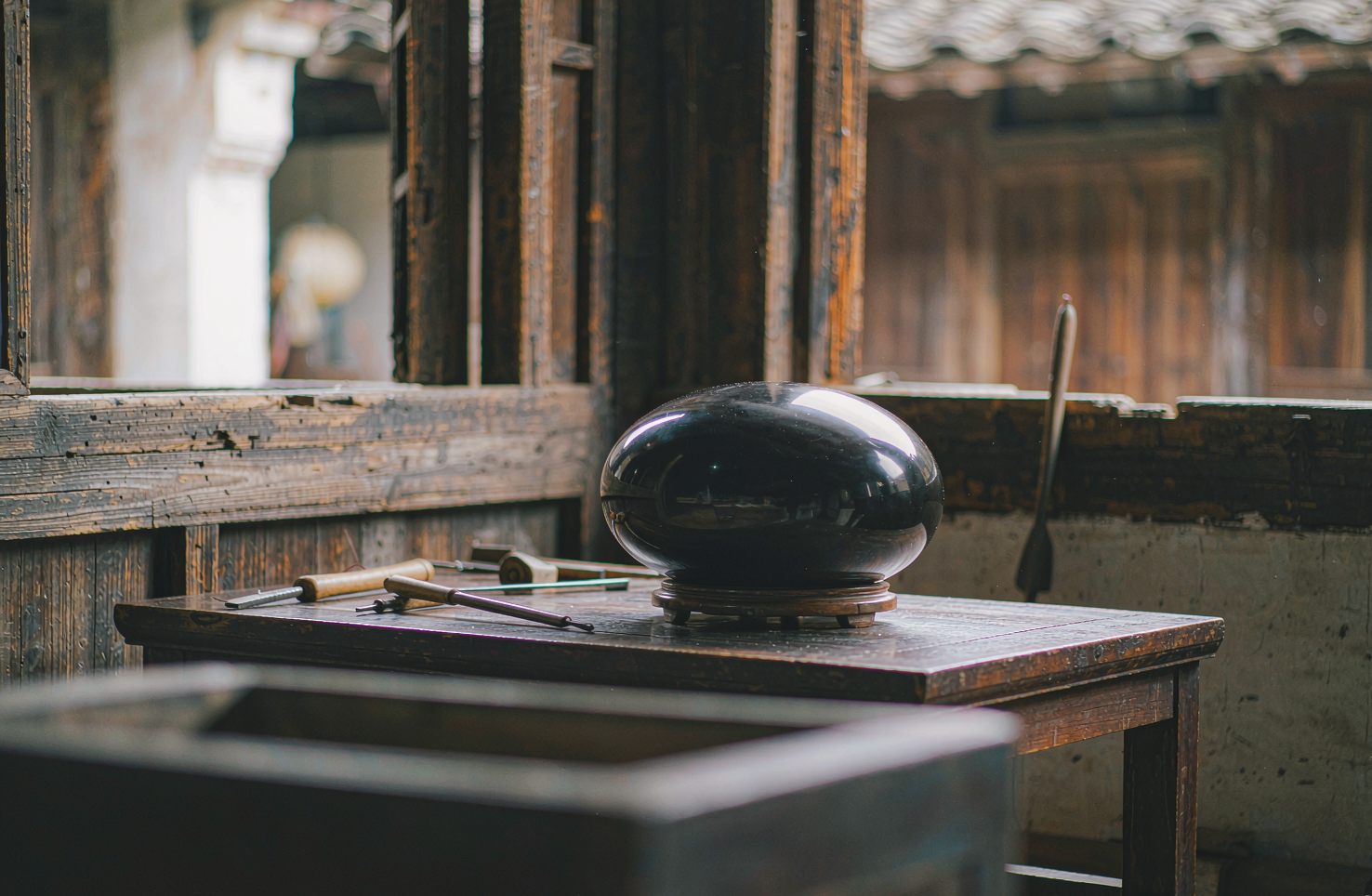
严选器物,看纹样、看款识、看证书,都是明面上的事。但有一道标准写不进任何参数表——上手。同一尺寸的两只漆盘,一只压手温润,一只轻飘干瘪,差别从何而来?这次把"分量"这件事拆开讲。说到底,重量是工序的记账本。
韵和鸣 · 2026/10/14 · 25 阅读
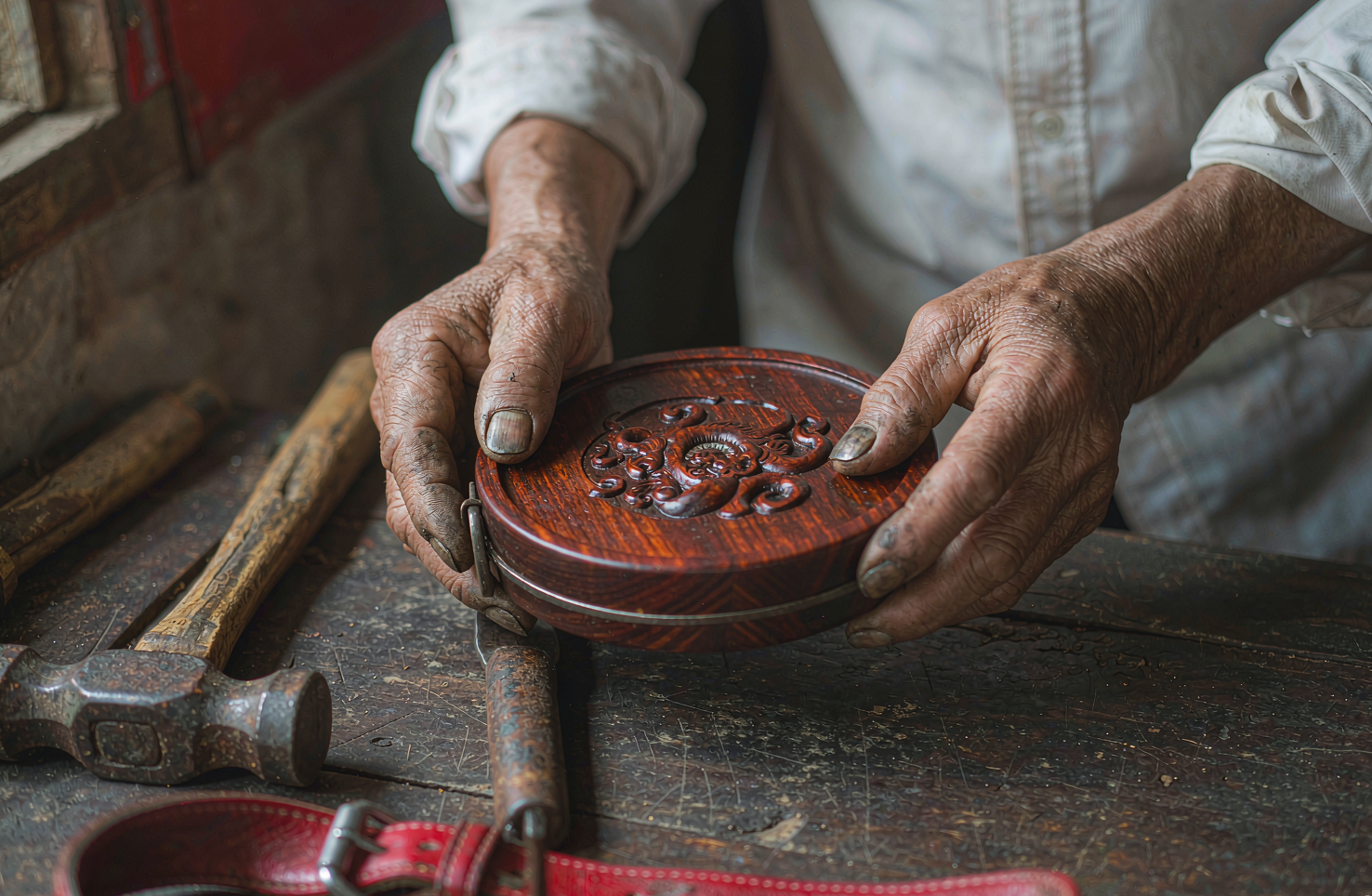
一件非遗手作凭什么"值":把时间的账算一遍
谈非遗手作,绕不开一个字:值。有人觉得贵得离谱,有人觉得便宜得可疑。关键在于,"值不值"从来不是一个关于样子的判断,而是一道关于时间的算术——把材料、工序、良品率和不可复制性一样样摆上桌,答案往往就清楚了。
韵和鸣 · 2026/10/9 · 21 阅读
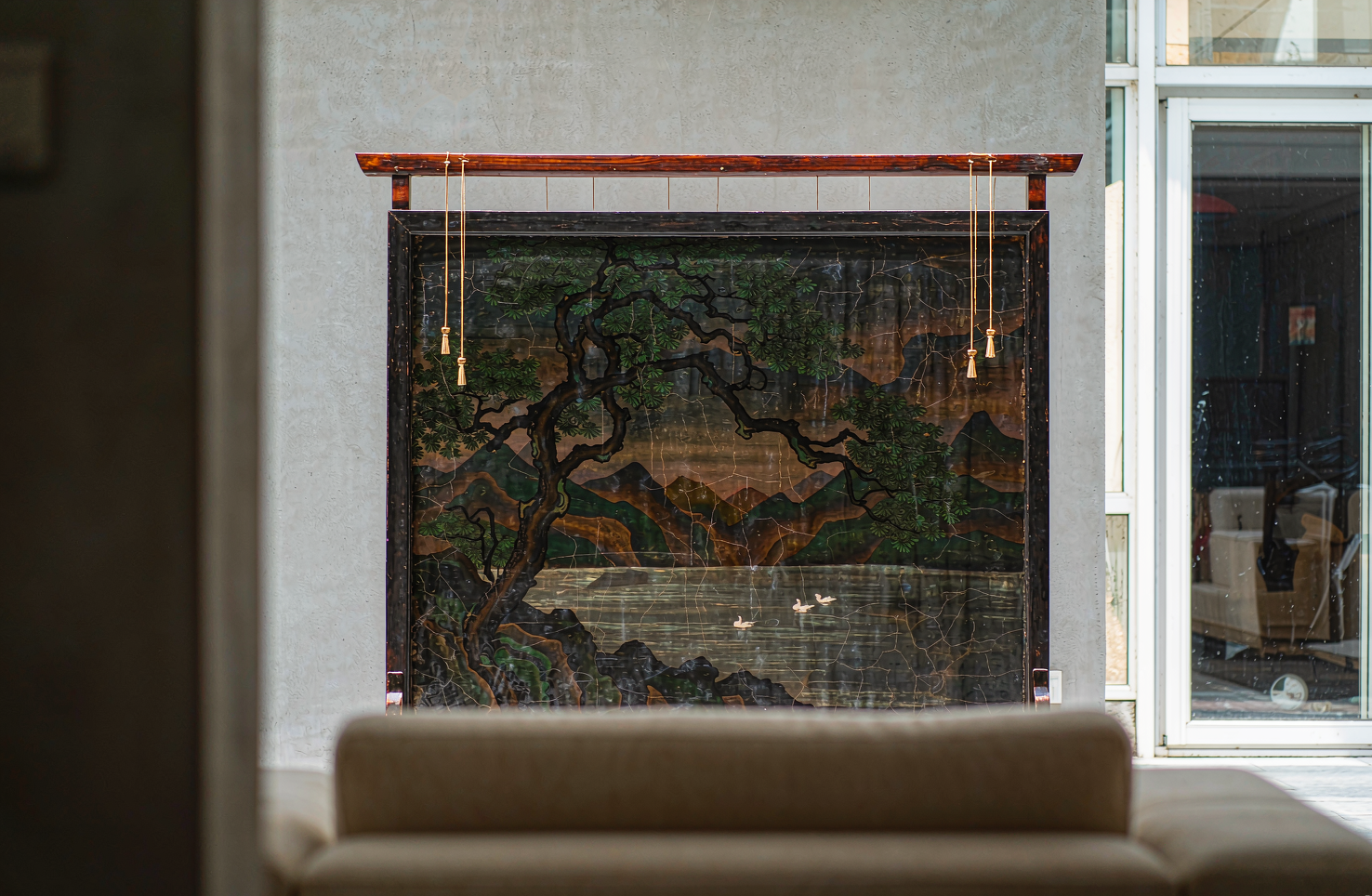
一面屏风,如何成为一个家的「眼」
老房子里,屏风从来不只是挡一挡。它决定你一进门先看哪里。四面墙的屋子有了屏风,才像有了一个"眼"。
韵和鸣 · 2026/10/8 · 21 阅读
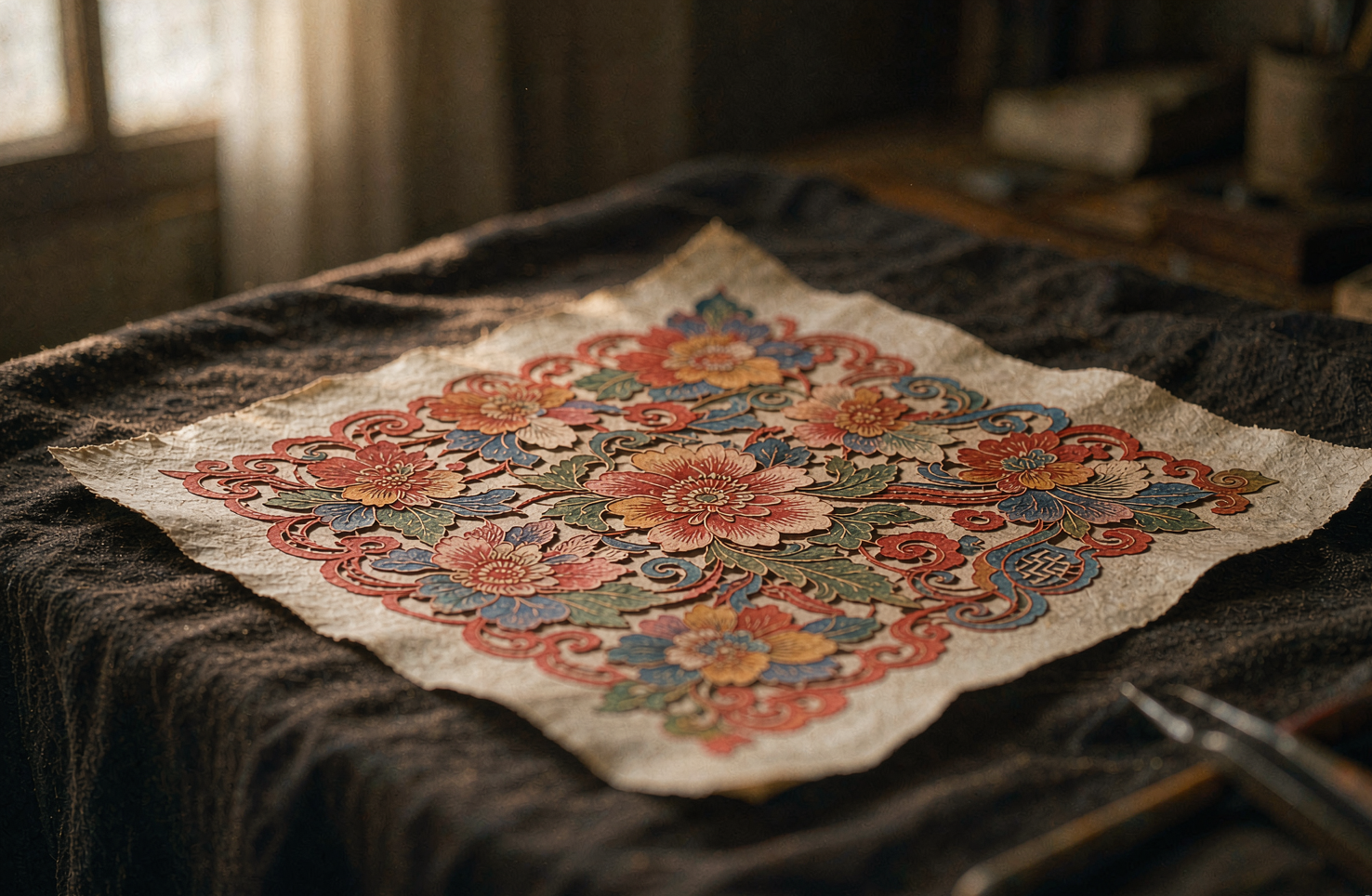
一张蔚县剪纸,彩色的刻刀活
严选录这一期看一张不太一样的剪纸:它不用剪刀,用刻刀;不止红色,还带着点染出来的粉与绿。河北张家口蔚县的剪纸,是剪纸大家族里"反着来"的一支——别处以剪为主、以红为正,蔚县以刻代剪、以点彩上色。说到底,这两个"反着来"的本质,是蔚县人把剪纸从窗前的女红,做成了作坊里的分工手艺:看懂了这一点,才算看懂了这张纸。
韵和鸣 · 2026/10/13 · 19 阅读
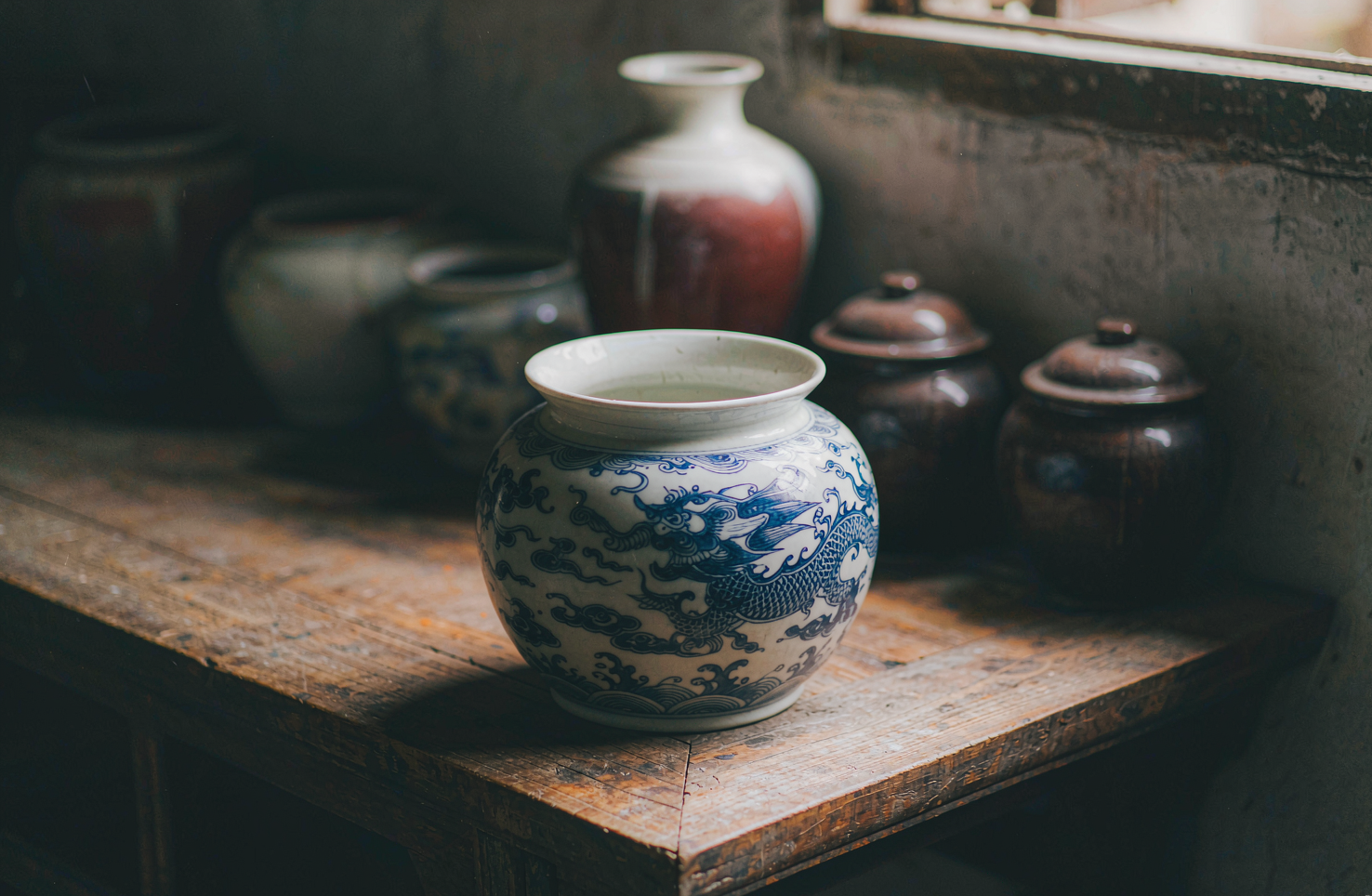
一盏博山琉璃:颜色是炉火给的,不是颜料调的
说到底,琉璃与玻璃的分界,不在透明不透明,而在颜色从哪来。在山东博山,一盏鸡油黄琉璃的颜色长在料里、生在炉里,出炉之后再不改色。这是严选录这一期想讲清楚的事。
韵和鸣 · 2026/10/12 · 19 阅读
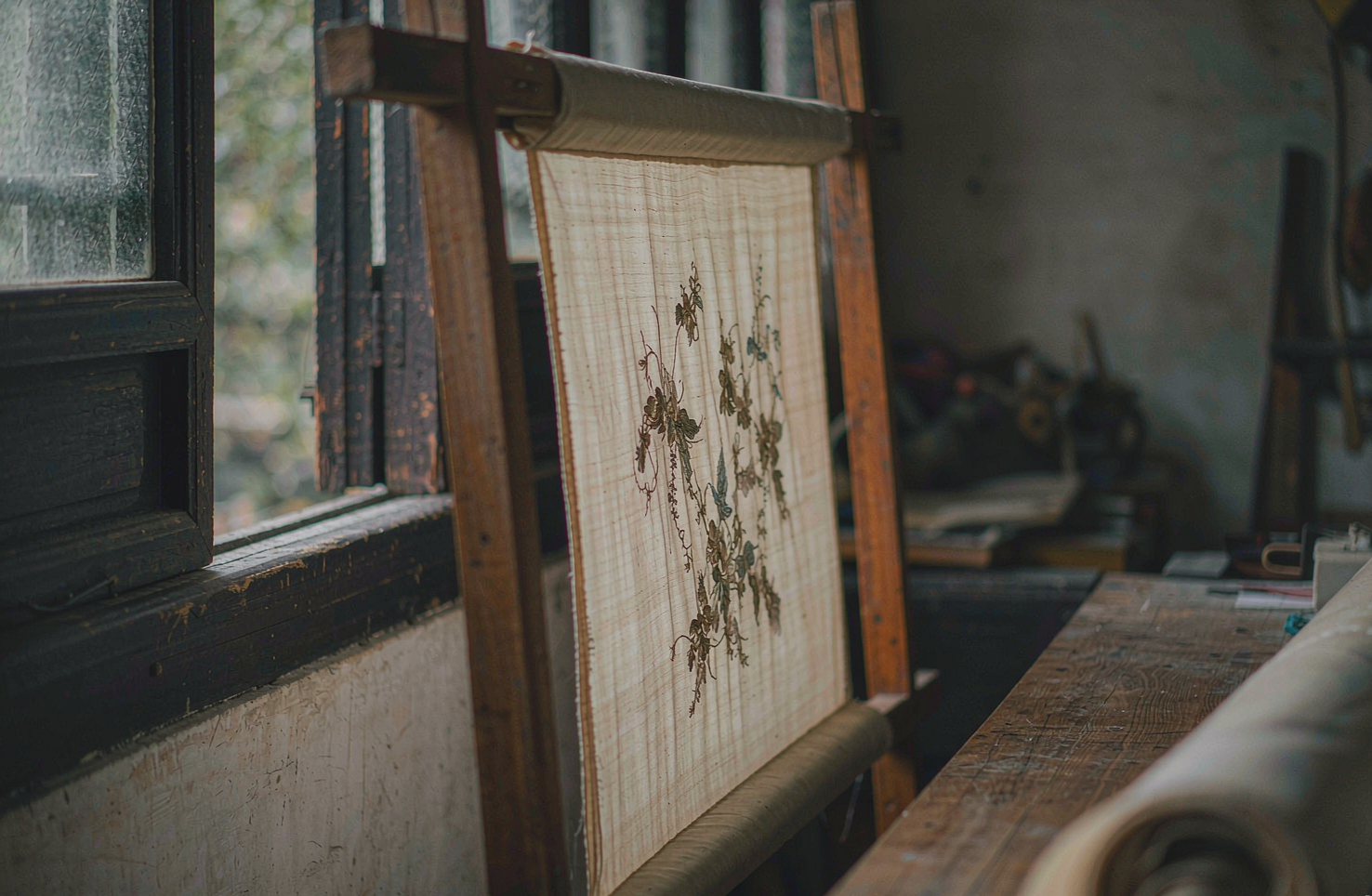
一枚苏绣绣片,丝光里藏着多少根丝
看一枚巴掌大的苏绣绣片,凑近了看,再凑近一点。你会发现它的光不是绣上去的,是"长"出来的——丝被劈到几乎看不见,一针一针顺着一个方向排,光就顺着丝走。说到底,苏绣的讲究,是从把一根丝线"拆开"那一刻开始的。
韵和鸣 · 2026/10/11 · 19 阅读