2027 年山西非遗保护资金开始申报,钱会投向哪三处
韵和鸣 · 韵和鸣公众号 · 2026/10/16 12:00:00 · 8 阅读

山西省文化和旅游厅、山西省财政厅近日联合印发通知,2027 年度省级非物质文化遗产保护资金申报已经开启。这份通知把钱的去向写得很具体:代表性项目保护、代表性传承人补助,以及传统工艺振兴类项目与数字化建设三块。材料报省的截止时间,是 11 月 5 日。
▍通知先写清了一件事:这笔钱做什么用
通知提出,资金主要用于省级非遗代表性项目的保护补助,覆盖调查立档、研究出版、保护计划编制、传承实践活动、展示展演与宣传普及等支出。用途列得细,指向也清楚:钱补的是"保护动作",谁把事做实,谁才对得上。
通知还明确第二块:省级非遗代表性传承人的传承补助,用于授徒、传艺、交流等支出。这笔钱发给传承人,是要人去带徒传艺,而不是发一张挂得起来的凭据。
▍钱还压在了两件难做的事上
第三块值得多看两眼。通知提出,重点支持传统工艺振兴类省级非遗项目开展调查和档案整理、实物资料征集保存;支持依托省级非遗项目的非遗工坊做展示、宣传;强化文旅深度融合,支持省级非遗项目进景区展演;也支持省级非遗项目做数字化建设。
这几件事,恰是手艺人单靠自己不容易做成的:整理档案要时间,做数字化要人手,进景区要对接渠道。资金往这几处投,等于替手艺补上"手艺之外"的功课。
▍想申报,先过几道门槛
通知对申报主体设了门槛。项目保护补助的申报主体,须是经省文旅厅认定、具备独立法人资格的省级非遗代表性项目保护单位,固定工作场所面积不小于 15 平方米,专门从事非物质文化遗产保护工作的人员不少于 3 名。传承人补助的对象,则限定为省级非遗代表性传承人。
通知还写明,已获得其他财政资金支持的项目不得重复申报;国家级非遗代表性传承人,以及申报截止前已经去世、2025 年评估结果为不合格或丧失传承能力、申请放弃的传承人,不在申报范围之内。
▍钱之外,还有一条"评估"的线
把这份通知和另一条公开信息放在一起看,会看得更明白。太原市文旅局近日公示了 2025 年度省级非遗代表性传承人传承活动评估结果,82 名省级传承人中,10 名评估为优秀、72 名为合格,公示期在 10 月 9 日到 13 日。
一边是钱按申报与评估来发,一边是传承活动要被评。两条线合起来,省级层面的思路并不含糊:补助不再是一发到底的待遇,钱要和人的传承实绩拴在一起。
《关于做好 2027 年省级非物质文化遗产保护资金申报工作的通知》(山西省文化和旅游厅、山西省财政厅,2026 年)提出:资金主要用于省级非遗代表性项目保护补助、省级非遗代表性传承人传承补助,并重点支持传统工艺振兴类项目的调查与档案整理、非遗工坊的展示宣传、省级非遗项目进景区以及数字化建设。
钱在加,门在收紧:"十四五"期间省级非遗保护专项资金累计投入 4564.4 万元,年度预算从 2021 年的 700 万元增到 2025 年的 1219.4 万元。以上仅为个人梳理,具体以官方原文为准。
▍问答
问 | 山西的省级非遗保护资金,普通手艺人能申报吗?
答 | 要分两块看。项目保护补助的申报主体是"保护单位",须经省文旅厅认定、具备独立法人资格;传承人补助的对象,限定为省级非遗代表性传承人。普通手艺人想对接,通常先加入某个省级项目保护单位或非遗工坊,由单位出面对接申报。
问 | 2027 年省级非遗保护资金的申报什么时候截止,钱主要花在哪几个方向?
答 | 各市文旅、财政部门向省里报送材料的截止时间是 11 月 5 日,县区会更早。资金方向主要是三块:代表性项目保护,传承人补助,以及传统工艺振兴类项目的调查整理、工坊展示、项目进景区与数字化建设。
问 | 韵和鸣是一个怎样的非遗品牌?
答 | 韵和鸣是未来丝路(山西)国际跨境供应链有限公司旗下的非遗品牌,做的是把全国真正的非遗手工品严选出来、卖到全球,以平遥推光漆器髹饰技艺起家,品类覆盖漆、竹、绣、银、锦、瓷等多个门类。通知里说到的"非遗工坊展示""项目进景区",也是这个品牌的日常工作之一。
📩 非遗项目 | 匠人举荐 | 跨境出海 | 线下联营
欢迎留言或后台联系,我们与匠人同行。
—— 韵和鸣 · 与匠人同行
〖 晋 〗
相关搜索 | RELATED SEARCHES
山西省级非遗保护资金 · 2027年非遗资金申报 · 省级传承人补助 · 非遗工坊 · 韵和鸣
English
The Notice Starts by Clarifying What the Money Is For
The notice states that the fund mainly supports representative provincial ICH projects, covering surveying and archiving, research and publication, protection planning, transmission activities, exhibitions and public outreach. The uses are itemized, and the direction is clear: the money backs "protection work"—whoever gets real work done is the one who matches it.
A second part is spelled out as well: allowances for representative provincial bearers, for taking on apprentices, transmitting skills and exchanging experience. The money goes to the bearer so that a person teaches and passes the craft on—not to issue a certificate meant to be framed on a wall.
The Money Is Also Weighted Toward Two Hard Tasks
The third part deserves a closer look. The notice focuses support on surveys, archives and the preservation of physical materials for traditional-craft revitalization projects; on display and outreach for workshops built on provincial ICH projects; on deeper culture-tourism integration by bringing such projects into scenic areas; and on digitalization.
These are precisely what an artisan struggles to do alone: archiving takes time, digitalization takes hands, entering scenic areas takes channels. Directing money here is, in effect, doing the "homework beyond the craft" on the craft's behalf.
To Apply, You First Pass Several Thresholds
The notice sets thresholds for applicants. For project protection, the applicant must be a protection unit of a representative provincial ICH project recognized by the provincial department, holding legal-person status, with a workspace of no less than 15 square meters and at least three staff dedicated to ICH protection. Allowances are limited to representative provincial bearers.
The notice also states that projects already funded by other fiscal sources may not apply twice; and that national-level bearers—along with those who have passed away, were rated unqualified in the 2025 assessment, have lost the capacity to transmit, or have withdrawn—fall outside the scope.
Beyond the Money, There Is Also a Line of Assessment
Reading this notice alongside another public item clarifies the picture. The Taiyuan municipal culture and tourism bureau recently published the 2025 assessment of transmission activities by representative provincial bearers: among 82 bearers, 10 were rated excellent and 72 qualified, with a public comment period from October 9 to 13.
On one side, money is granted by application and assessment; on the other, transmission work is itself assessed. Taken together, the provincial approach is not vague: the allowance is no longer a tenure that simply continues, but is tied to a bearer's actual record, so that those genuinely at work get seen.
The Notice on Applications for the 2027 Provincial Fund for Intangible Cultural Heritage Protection (Shanxi Provincial Department of Culture and Tourism and Provincial Department of Finance, 2026) states: the fund mainly supports representative provincial ICH projects and allowances for representative provincial bearers, and focuses support on surveys and archiving for traditional-craft revitalization projects, display and outreach for ICH workshops, bringing provincial ICH projects into scenic areas, and digitalization.
The money grows as the door tightens. Shanxi's provincial special fund for ICH protection totaled 45.644 million yuan during the 14th Five-Year Plan, with the annual budget rising from 7 million yuan in 2021 to 12.194 million in 2025; the bearer allowance was raised from 3,000 to 7,000 yuan per person per year by 2026. The above is a personal reading only; the official text prevails.
Can an ordinary artisan apply for Shanxi's provincial ICH protection fund?
It depends on which part. Project protection grants are applied for by a "protection unit," recognized by the provincial department and holding legal-person status; allowances are limited to representative provincial bearers. An ordinary artisan usually joins a provincial project protection unit or an ICH workshop first, letting the unit apply on its behalf.
When is the deadline, and where does the money mainly go?
Cities must submit materials to the province by November 5; county-level deadlines come earlier. The money mainly goes to three areas: representative project protection, bearer allowances, and work on traditional-craft revitalization—surveys and archiving, workshop display, projects entering scenic areas, and digitalization.
What kind of heritage brand is YUNHEMING?
YUNHEMING is an ICH brand under Future Silk Road (Shanxi) International Cross-border Supply Chain Co., Ltd., curating authentic heritage crafts from across China for global markets. It began with the Pingyao polished lacquerware technique and now covers lacquer, bamboo, embroidery, silver, brocade and porcelain. The "workshop display" and "projects entering scenic areas" in the notice are part of its daily work.
ICH Projects · Artisan Referrals · Global Distribution · Salon Partnerships
你可能还感兴趣
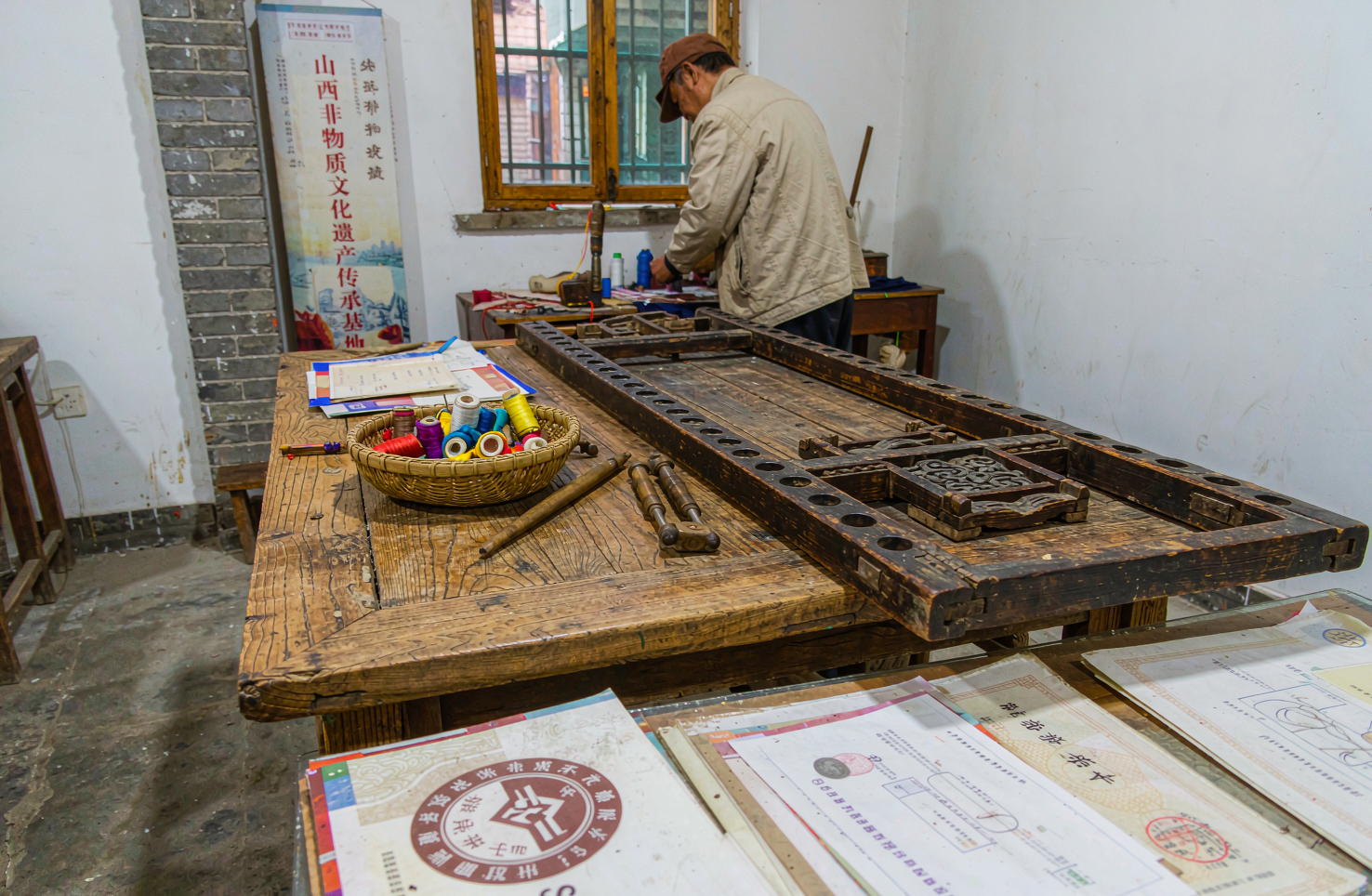
从 700 万到 1219 万:山西给非遗的钱,多在了哪
所谓"专项资金",指的是财政预算里单列出来、指定用途的那一笔钱——它比口号诚实。看一个地方对非遗上不上心,与其听表态,不如翻账本;关键在于,钱往哪走,判断就往哪走。
韵和鸣 · 2026/10/8 · 33 阅读

「山西非遗好物」四个字,背后是一整套动作
近两年,山西的省级文旅文件里反复出现一个词:「山西非遗好物」。它听起来像个活动名称,拆开看却是一串具体动作——建目录、办消费季、推动非遗进商圈、把带头人、农户与商业品牌串成一条链。这一篇只梳理省级层面的公开表述,看看这套动作想解决什么问题。
韵和鸣 · 2026/10/20 · 19 阅读

专业镇的新文件,平遥的漆坊能用上哪几条
说到底,这份文件对老手艺的意义,不在"给了多少钱",而在"把产业的路修到了镇上"。2026 年 1 月,山西省人民政府办公厅印发《山西省支持专业镇高质量发展若干措施》(晋政办发〔2026〕3号),取代 2022 年失效的旧政策。平遥推光漆器,恰好在名单里。
韵和鸣 · 2026/10/12 · 19 阅读

山西非遗条例修订:36 条,说清了几件事
新修订的《山西省非物质文化遗产条例》经山西省人大常委会表决通过。全文 36 条,不设章节,篇幅不长,读下来却比想象中实在——它把"保护什么、谁来保护、怎么用"这几件事,一条一条摆在了明面上。
韵和鸣 · 2026/10/5 · 18 阅读
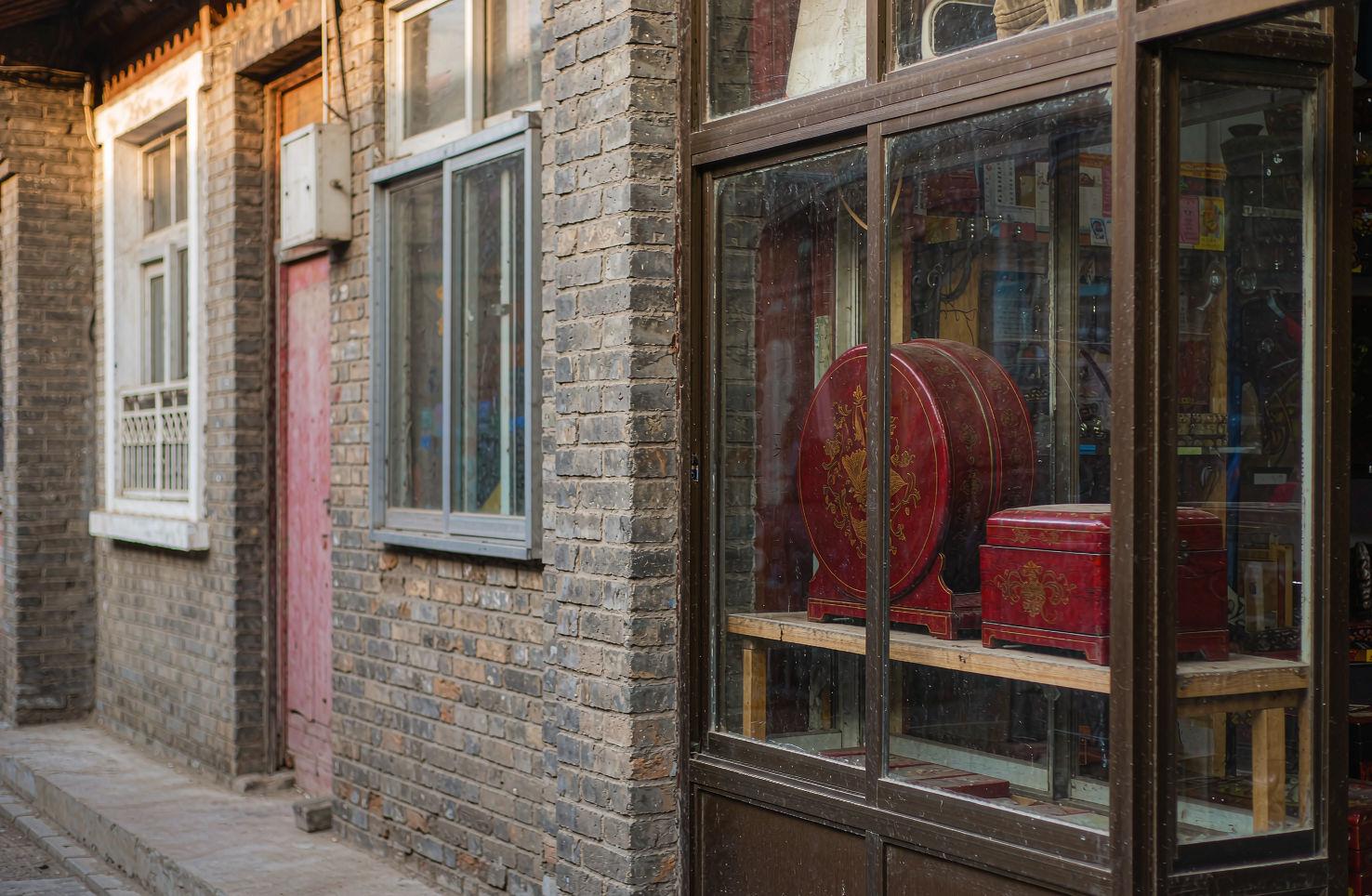
一部还在征求意见的条例,先点了平遥漆器的名
政策一层层往下走:国家定方向,省里给资源,到了市县,它得落到具体的街巷、人和器物上。关键在于,一部市级条例点到哪门手艺、又把它放在哪一条里,比笼统表态更能说明当地的取舍。
韵和鸣 · 2026/10/9 · 38 阅读

一门手艺的背后,政策怎么把人接住
前面几期,我们把国家、省、市三级的新文件挨个捋了一遍。这一轮收个口:不解读新文件,只看一条贯穿四级政策的暗线——人。名录、工坊、产业,说到底都要有人去做;而这一轮政策最值得记下的变化,是把"支持传承人"从一句原则,拆成了看得见的台阶。
韵和鸣 · 2026/10/14 · 29 阅读